AI-powered web hosting platforms transform online presence

AI-powered web hosting platforms

AI-powered web hosting platforms are revolutionizing the way we think about web development. By integrating artificial intelligence into their services, these platforms not only streamline hosting solutions but also enhance overall performance and user experience. With powerful features that cater to modern business needs, they are becoming indispensable tools for digital entrepreneurs.

From optimizing website speed to enhancing security measures, AI-driven hosting stands out as a game-changer. Top providers in the market are continually innovating, offering tools that help businesses improve their online marketing strategies and social media engagement. In this exploration, we’ll uncover the impact of AI on web hosting and its significance in today’s digital landscape.

AI-Powered Web Hosting Platforms Overview

AI-powered web hosting platforms

AI-powered web hosting platforms represent a significant evolution in the digital landscape, integrating artificial intelligence technologies to enhance user experience and optimize web management. As businesses increasingly rely on online presence, these platforms provide tailored solutions, ensuring efficiency, scalability, and improved performance in web hosting services.The core concept behind AI-powered web hosting revolves around leveraging machine learning algorithms and data analytics to automate processes and make intelligent decisions.

This not only streamlines operations but also allows for predictive analytics, resource management, and enhanced security measures. The integration of AI enables web hosting providers to offer superior service quality, minimizing downtime and improving overall user satisfaction.

Key Features and Benefits of AI in Web Hosting Solutions

Understanding the features and advantages of AI in web hosting is essential for making informed decisions about which platform to choose. Here are the critical attributes and benefits:

  • Automation of Routine Tasks: AI systems automate server management, backup processes, and updates, reducing the manual workload for website administrators.
  • Predictive Analytics: By analyzing historical data, AI can forecast traffic patterns and resource requirements, helping businesses scale their operations effectively.
  • Enhanced Security: AI algorithms can detect vulnerabilities and potential threats in real time, enabling proactive measures against cyberattacks.
  • Resource Optimization: AI adjusts server resources based on demand, ensuring optimal performance while minimizing costs for users.
  • Personalized User Experience: AI can analyze user behavior to customize web content and recommendations, enhancing engagement and satisfaction.

These features not only improve operational efficiency but also empower businesses to focus on growth and innovation without being bogged down by technical challenges.

Top Providers of AI-Powered Web Hosting Services

Several leading companies in the market are setting benchmarks with their AI-powered hosting solutions. These providers integrate cutting-edge technology to enhance user experiences and streamline operations:

  • Bluehost: Known for its user-friendly interface, Bluehost offers AI-driven insights for optimizing website performance and traffic management.
  • SiteGround: This provider employs AI for proactive security measures and automated support, delivering fast and secure hosting solutions.
  • HostGator: HostGator utilizes AI to predict resource usage and automate scaling, making it a popular choice for growing businesses.
  • A2 Hosting: A2 Hosting incorporates AI technologies to optimize server configurations and enhance loading speeds, ensuring a smooth user experience.
  • Cloudways: This platform leverages AI for monitoring server performance and automating backups, allowing users to manage their hosting effortlessly.

The choice of an AI-powered web hosting provider can significantly impact the success of an online venture, making it crucial to consider their features, reliability, and support services.

Impact on Online Marketing Strategies

AI-powered web hosting platforms

AI-powered web hosting platforms are transforming the landscape of online marketing strategies. By integrating advanced AI technologies, these platforms enhance the capabilities of businesses to reach and engage their target audiences more effectively. This shift not only streamlines operations but also provides a competitive edge in a crowded digital marketplace.

Enhancement of Search Engine Marketing Efforts

AI-driven hosting significantly boosts search engine marketing (SEM) efforts. By leveraging machine learning algorithms, these platforms can analyze vast amounts of data quickly, allowing businesses to optimize their ad placements and strategies more effectively. AI can assess user behavior, identifying trends and preferences that inform targeting strategies. As a result, companies can achieve higher click-through rates and conversions.

  • AI algorithms assess and predict the performance of s, enabling businesses to prioritize those that yield the best results.

  • Dynamic ad placement adjustments based on real-time data ensure that marketing budgets are utilized efficiently.
  • Automated A/B testing allows for rapid experimentation with different ads, leading to continuous improvement in campaign effectiveness.

Role of AI in Optimizing Internet Security for Online Businesses

The integration of AI in web hosting platforms also plays a crucial role in enhancing internet security, which is vital for online marketing success. Cybersecurity threats can severely undermine a business’s reputation and financial health, so leveraging AI for this purpose is essential. AI systems can proactively detect and mitigate threats before they escalate, providing peace of mind for online marketers.

  • AI systems monitor traffic patterns to identify anomalies that may indicate potential cyber threats.

  • Automated backup solutions, driven by AI, ensure that critical data is safeguarded against potential cyber incidents.
  • AI-enhanced encryption methods increase the security of sensitive customer data, fostering trust and encouraging user engagement.

Improvement of Social Media Campaign Management and Analytics

AI significantly enhances the management and analytics of social media campaigns, an essential aspect of online marketing. By automating various tasks, AI allows marketers to focus on strategy and creativity rather than manual processes. Additionally, AI tools can analyze engagement metrics and audience interactions to refine campaigns continuously.

  • AI-driven analytics provide insights into the best times to post and the types of content that resonate with specific demographics.

  • Sentiment analysis tools powered by AI can gauge public perception of a brand, helping businesses adjust their messaging accordingly.
  • Campaign personalization through AI ensures that content is tailored to individual user preferences, significantly boosting engagement rates.

Enhancing Website Performance and User Experience

The integration of AI technologies in web hosting platforms has revolutionized how websites are built and experienced by users. By leveraging advanced algorithms and machine learning, these platforms not only optimize website performance but also elevate user interaction through personalized experiences. In this section, we will explore how AI influences web design, compare traditional hosting with AI-powered solutions, and examine the automation of web development tasks through AI tools.

Influence of AI on Web Design and User Interface Personalization

AI significantly enhances web design by enabling personalized user interfaces that adapt to individual visitor behaviors and preferences. This personalization ensures a more engaging user experience, which can lead to higher conversion rates. For instance, AI algorithms can analyze user interactions to suggest content, layout adjustments, and even color schemes that resonate better with specific audiences.By employing techniques such as A/B testing at scale, AI facilitates rapid iterations of design elements.

This means that businesses can continuously refine their websites based on real-time data, ensuring that the design remains relevant to user expectations. As a result, users enjoy a seamless experience tailored to their needs, which can keep them on the site longer and encourage repeat visits.

Comparison of Traditional Web Hosting and AI-Powered Solutions

When comparing traditional web hosting services with AI-powered solutions, several critical factors come into play, notably speed and reliability. Traditional hosting often relies on predefined resources and static configurations, which can lead to slower loading times, especially during traffic spikes. In contrast, AI-powered hosting dynamically allocates resources based on real-time demand, ensuring optimal speed and performance.AI solutions utilize predictive analytics to foresee traffic patterns and adjust server loads accordingly, delivering consistently fast response times.

Moreover, reliability is enhanced as AI can autonomously monitor systems for potential failures and deploy fixes without human intervention. This proactive approach minimizes downtime and keeps websites running smoothly, which is paramount for businesses that rely on their online presence.

Automation of Web Development Tasks Through AI Tools

AI tools are increasingly automating many aspects of web development, which significantly boosts efficiency and quality. Tasks such as code generation, testing, and bug detection can now be handled by AI systems. This allows developers to focus on more creative aspects of the project while ensuring that routine tasks are completed swiftly and accurately.For example, platforms like Wix and Squarespace utilize AI-driven design assistants that help users create websites by suggesting layouts and elements based on their content and industry.

These tools streamline the development process, reducing the time it takes to launch a website. Additionally, AI can analyze existing websites to provide insights on performance improvements, making it easier for developers to optimize their projects.AI’s capability to learn from user interactions and historical data also means that it can make informed predictions about the types of content that will engage visitors.

This not only enhances the output quality but also ensures that websites are continually evolving to meet the needs of their audiences.

Concluding Remarks

In summary, AI-powered web hosting platforms are not just a trend; they represent the future of web development. By harnessing the capabilities of artificial intelligence, these platforms offer unmatched benefits that enhance website performance, security, and marketing strategies. As technology continues to evolve, embracing AI in web hosting will be key for businesses striving to maintain a competitive edge online.

Expert Answers

What is the main advantage of AI in web hosting?

The main advantage of AI in web hosting is its ability to automate tasks, optimize performance, and enhance security measures, leading to a more efficient and reliable hosting experience.

How does AI improve website security?

AI improves website security by identifying potential threats and vulnerabilities in real-time, enabling proactive measures to safeguard data and prevent cyberattacks.

Can AI-powered hosting improve ?

Yes, AI-powered hosting can assist in enhancing by optimizing site speed, improving user experience, and providing data insights for better content strategies.

Are AI-powered hosting solutions suitable for all businesses?

AI-powered hosting solutions are scalable and can benefit businesses of all sizes, from small startups to large enterprises, looking to enhance their online presence.

What should I consider when choosing an AI hosting provider?

When choosing an AI hosting provider, consider factors such as performance features, customer support, pricing, and the specific AI tools they offer for optimization and security.

Web hosting uptime and reliability explained clearly

Web hosting uptime and reliability

Web hosting uptime and reliability are critical components in maintaining a successful online presence. Imagine launching a website only to have it crash during peak traffic; that can lead to frustrated visitors and lost revenue. Understanding the nuances of uptime and reliability can empower businesses to make informed choices that enhance user experience and ensure their sites remain accessible around the clock.

By exploring key metrics that define uptime, evaluating various hosting providers, and recognizing the far-reaching impacts of downtime, we can appreciate how these factors intertwine with performance, , and marketing strategies. Let’s delve deeper into this essential aspect of web hosting.

Web Hosting Uptime

Web hosting uptime and reliability

Uptime is a crucial aspect of web hosting services that directly impacts website reliability and performance. It refers to the amount of time a server is operational and available for users to access websites. A high uptime percentage signifies that a website is regularly accessible, which is vital for maintaining user trust and ensuring business success.Uptime is typically measured in percentages over a defined period, usually expressed monthly or annually.

Industry standards for uptime commonly range from 99% to 99.99%, often referred to as “three nines” to “four nines”. These metrics indicate the reliability of a hosting service and are calculated based on the total time a server is expected to be operational compared to downtime incidents. The formula to calculate uptime is:

Uptime Percentage = (Total Time – Downtime) / Total Time x 100

Impact of Uptime on Website Performance and User Experience

The influence of uptime on website performance extends beyond mere accessibility; it plays a pivotal role in user experience and can significantly affect a business’s reputation. When a website is down, users are unable to access content, which can lead to frustration and potential loss of customers. A consistent uptime record fosters user confidence, encouraging visitors to return.Moreover, uptime impacts search engine rankings.

Websites with higher uptime percentages are typically favored by search engines like Google, as they prioritize sites that provide dependable user experiences. A consistent uptime minimizes interruptions, helping maintain steady traffic levels and optimizing conversion rates. In contrast, frequent downtimes can lead to decreased user engagement and increased bounce rates.In evaluating the performance of web hosting services, it’s essential to consider not just uptime percentages but also the response time during operational hours.

A reliable host can demonstrate both high uptime and swift response rates, ensuring that users have a seamless experience.Overall, ensuring high uptime is not just about keeping the website live; it encompasses the broader implications for user satisfaction, business credibility, and overall online success.

Reliability of Web Hosting Services

When selecting a web hosting provider, reliability is a key factor that can significantly impact your website’s performance and your business’s success. A reliable hosting service ensures that your website is accessible and operational at all times, which is crucial for maintaining customer trust and engagement. In this section, we will explore the reliability of various hosting providers, analyze customer reviews, and assess the methods to gauge a hosting service’s reliability.

Comparison of Hosting Providers Based on Reliability

Understanding the reliability of different web hosting services is essential for making an informed decision. Here’s a comparison based on reliability ratings and customer feedback from reputable review platforms:

  • SiteGround: Known for its exceptional uptime and customer service, SiteGround has consistently received high marks for reliability. Customers praise its fast response times and proactive monitoring.
  • Bluehost: This provider offers a solid uptime guarantee, often exceeding 99.9%. Customer reviews highlight its ease of use, although some report occasional downtime during peak traffic periods.
  • HostGator: While HostGator has a good reputation for affordability, its reliability can be hit or miss based on user experience, with some customers noting sporadic downtimes.
  • InMotion Hosting: Renowned for its robust performance and business-class reliability, InMotion has received positive reviews for its 99.99% uptime commitment and responsive customer support.

The comparison shows that while many providers offer competitive reliability metrics, customer experiences can vary widely, emphasizing the importance of thorough research before making a choice.

Methods to Test the Reliability of Web Hosting Services

Testing the reliability of a web hosting service can be achieved through several methods, ensuring that you choose a provider that meets your needs effectively. These methods include:

  • Uptime Monitoring Tools: Utilize tools like Uptime Robot or Pingdom to monitor your website’s uptime and response times over a period. These services can provide alerts whenever your site goes down.
  • Load Testing: Simulate high traffic volumes using load testing tools such as JMeter or Loader.io. This testing helps verify how well a hosting provider handles traffic spikes.
  • Trial Periods: Many hosting providers offer trial periods or money-back guarantees. Take advantage of these offers to test the service’s reliability without long-term commitment.
  • Customer Support Response: Test the responsiveness and efficiency of a provider’s customer support by reaching out with inquiries. Fast, knowledgeable support often reflects the reliability of the service.

Testing these aspects can provide valuable insight into the overall reliability of a web hosting service before fully committing to it.

Impact of Server Downtime on Business Operations and Revenue

Server downtime can have devastating consequences for businesses. Understanding the extent of this impact is crucial. When a server goes down, the immediate effect is a loss of accessibility to the website, which can lead to missed opportunities and revenue loss. Here are some of the key impacts:

  • Revenue Loss: Every minute of downtime can cost businesses significant revenue. For example, a site earning $10,000 a day would lose approximately $416 per hour of downtime.
  • Loss of Customer Trust: Frequent downtime can erode customer confidence in a brand. Users expect reliable access, and repeated issues can drive them to competitors.
  • Impact: Search engines like Google may penalize sites with frequent downtime, leading to lower search rankings and reduced organic traffic.
  • Operational Disruptions: Businesses relying on their website for sales or customer interaction may experience disruptions in operations, affecting overall productivity.

The ramifications of server downtime highlight the necessity of selecting a reliable web hosting service. Making an informed choice not only secures your website’s performance but ultimately supports your business’s growth and sustainability.

Relationship Between Uptime, , and Online Marketing

Web hosting uptime and reliability

Uptime is a critical factor that intertwines closely with search engine optimization () and online marketing strategies. Understanding this relationship is essential for businesses looking to maximize their online presence. A website that is consistently available not only improves user experience but also strengthens its performance, ultimately impacting marketing campaigns.Search engines like Google prioritize websites that offer high availability and fast loading times in their rankings.

This means that a website with strong uptime metrics is more likely to appear at the top of search results, driving organic traffic. Additionally, site reliability can directly influence bounce rates; if users encounter errors or downtime, they are likely to leave, which could signal to search engines that the site is of lower quality.

Impact of Downtime on Marketing Efforts

Downtime can severely undermine online marketing initiatives, leading to missed opportunities and reduced visibility. When a website is unavailable, potential customers may not only fail to engage with the brand but also form negative impressions. This can hinder promotional efforts across various channels.The implications of downtime can be summarized as follows:

  • Loss of Traffic: Each minute a website is down can equate to thousands of potential visitors lost, particularly during peak traffic times.
  • Decreased Conversion Rates: A non-functional site means that users cannot complete purchases or sign up for services, directly impacting revenue.
  • Negative User Experience: Frequent downtimes can frustrate users, leading them to look for alternatives, which can harm brand loyalty.
  • Ad Spend Waste: Marketing campaigns that drive users to a site that is down can result in wasted ad spend and ineffective use of marketing budgets.

Integrating uptime monitoring into social media marketing strategies is crucial for maintaining a strong online presence. Monitoring tools can provide real-time alerts about website availability, enabling marketers to respond swiftly. Here’s how to effectively integrate uptime monitoring:

  • Set Up Alerts: Utilize monitoring tools that send instant notifications when the website goes down, allowing for immediate action to address the issue.
  • Communicate Transparently: Use social media channels to inform followers of any downtime and expected resolution times, maintaining trust and transparency.
  • Plan for Recovery: Develop a contingency plan that includes promotional strategies to re-engage users once the website is back online, such as special offers or reminders of the services offered.
  • Analyze Data: Review performance data post-downtime to assess the impact on traffic and conversions, adjusting future marketing strategies accordingly.

Regularly monitoring uptime not only enhances efforts but also fortifies overall marketing campaigns, ensuring a seamless user experience and sustained engagement.

Final Thoughts

In conclusion, web hosting uptime and reliability are not just technical terms; they’re vital for any business aiming to thrive online. By prioritizing these elements, companies can bolster their performance, improve customer satisfaction, and enhance their efforts. Ultimately, investing in reliable hosting not only safeguards revenue but also promotes long-term growth and success in the digital landscape.

Essential Questionnaire

What is considered a good uptime percentage?

A good uptime percentage is typically 99.9% or higher, which translates to only a few hours of downtime annually.

How can I monitor my web hosting uptime?

You can use uptime monitoring tools like Pingdom or UptimeRobot to receive alerts when your website goes down.

Does uptime affect rankings?

Yes, frequent downtime can lead to decreased search engine rankings as it negatively affects user experience.

What should I do if my web host has frequent downtime?

If your web host experiences frequent downtime, consider switching providers or discussing the issue with their support team to find a solution.

Can I recover losses from downtime?

While you may not recover direct losses from downtime, you can mitigate future risks by choosing a reliable hosting provider and implementing strong backup practices.

DevOps in web development workflow optimizes processes

DevOps in web development workflow

DevOps in web development workflow represents a transformative approach that bridges the gap between development and operations teams, fostering a culture of collaboration and efficiency. By integrating practices like continuous integration and continuous deployment, teams can streamline their workflows, ensure rapid delivery, and enhance overall project quality.

This integration not only reduces the friction often associated with traditional methodologies but also empowers teams to adopt innovative solutions that adapt to the fast-paced nature of web technologies. Understanding how DevOps enhances these workflows is critical for anyone looking to thrive in today’s digital landscape.

DevOps in Web Development Workflow

DevOps in web development workflow

The integration of DevOps practices into web development workflows has revolutionized how teams collaborate and deliver projects. By bridging the gap between development and operations, DevOps enhances efficiency, fosters communication, and accelerates the deployment process. This transformation is not merely about tools and processes; it fundamentally changes the culture and mindset of teams, emphasizing shared responsibility and continuous improvement.The role of DevOps in web development is pivotal for enhancing collaboration between development and operations teams.

Traditionally, these teams operated in silos, leading to miscommunication and delays. DevOps cultivates a culture of collaboration through shared goals, joint responsibilities, and integrated workflows. This synergy is achieved through practices such as automated testing, shared code repositories, and real-time monitoring, which not only streamline processes but also promote a sense of unity among team members.

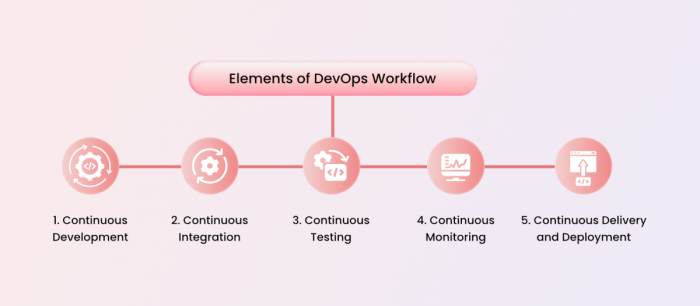
Continuous Integration and Continuous Deployment Processes

Continuous Integration (CI) and Continuous Deployment (CD) are essential practices within the DevOps framework that significantly improve the web development workflow. CI involves automatically testing and merging code changes into a shared repository multiple times a day. This process allows teams to identify and address issues early, reducing the risk of integration problems later in the development cycle. In contrast, Continuous Deployment automates the release of code changes to production as soon as they pass the necessary tests.

This rapid release cycle enables teams to deliver new features, enhancements, and bug fixes to users quickly and efficiently. Implementing CI/CD practices offers several key benefits:

  • Faster feedback loops, allowing for quick responses to changes or issues.
  • Increased deployment frequency, leading to more consistent project updates.
  • Enhanced software quality through automated testing and validation processes.

These practices not only streamline the development process but also ensure that teams maintain high-quality standards while fostering innovation.

Comparison of Traditional and DevOps-Oriented Workflows

Shifting from traditional web development workflows to a DevOps-oriented approach presents both benefits and challenges. Traditional workflows often rely on a linear process where development, testing, and deployment occur sequentially. This can lead to bottlenecks and delayed time-to-market. In contrast, DevOps promotes a more iterative and collaborative approach, where development and operations work together continuously throughout the project lifecycle.Key differences between traditional and DevOps-oriented workflows include:

Aspect Traditional Workflow DevOps Workflow
Collaboration Silos between teams Cross-functional teams working together
Release Cycle Periodic and often lengthy Continuous and incremental
Feedback Delayed feedback from testing Real-time feedback from automated testing
Quality Assurance Separate QA phase Integrated QA throughout development
Risk Management Higher risks at release Lower risks through continuous monitoring

The shift towards DevOps-oriented workflows can lead to significant improvements in efficiency, quality, and responsiveness. However, organizations may face challenges such as resistance to cultural change, the need for new skills, and the complexity of implementing automated tools.

“Embracing DevOps requires a cultural shift that prioritizes collaboration, adaptation, and continuous learning among all team members.”

Related Concepts in Web Development

DevOps in web development workflow

In the rapidly evolving landscape of web development, several concepts intertwine with DevOps methodologies to enhance efficiency and effectiveness. Understanding these related concepts is crucial for integrating diverse aspects of web projects, from marketing strategies to security practices and the influence of social media.

Integration of Search Engine Marketing within DevOps

The integration of Search Engine Marketing (SEM) within the DevOps framework is vital for driving visibility and traffic to web applications. By aligning marketing efforts with development processes, teams can ensure that websites are optimized for search engines from the ground up. This includes the implementation of relevant s, optimizing page load speeds, and ensuring that site architecture is conducive to crawling and indexing.

  • Effective collaboration between developers and marketing teams can lead to improved outcomes.

  • Regular updates to website content can be automated using Continuous Integration (CI) tools, ensuring that content remains fresh and relevant.
  • Analytics and tracking tools can be integrated into the DevOps pipeline to monitor performance in real-time, allowing for quick adjustments based on user behavior.
  • Utilizing A/B testing methodologies within DevOps allows teams to refine advertisements and landing pages based on user engagement data.

Significance of Internet and Security Practices in DevOps

Security practices in the context of DevOps are paramount for safeguarding sensitive data and maintaining user trust. The adoption of DevSecOps introduces security at every stage of the development lifecycle, promoting a proactive rather than reactive approach to security management.

  • Regular security audits and vulnerability assessments can be seamlessly integrated into the CI/CD pipeline.
  • Automated security testing tools help identify and remediate vulnerabilities early in the development process.
  • Implementing security protocols such as encryption and secure access controls minimizes risks associated with data breaches.
  • Promoting a culture of security awareness among developers through training can significantly reduce human error-related vulnerabilities.

Impact of Social Media and Social Networking on DevOps Projects

Social media and networking platforms play a crucial role in shaping the outcomes of web development projects managed under a DevOps approach. The feedback loop created by social interactions can provide valuable insights into user preferences and behaviors, which can be leveraged to refine products continually.

  • Real-time feedback from social media can inform rapid iterations and updates, ensuring that user needs are met swiftly.
  • Social media engagement can drive traffic to web applications, highlighting the importance of integrating marketing strategies with development efforts.
  • Developers can use social listening tools to monitor brand mentions and sentiment, allowing for quick responses to issues impacting user experience.
  • Collaborative tools and platforms foster community engagement, enabling developers to share ideas and receive input from users and stakeholders.

Enhancements through Digital Marketing and Design

In today’s competitive online landscape, the integration of digital marketing and web design is essential for success. By leveraging DevOps practices, organizations can enhance their web development workflow to incorporate more efficient marketing strategies and design innovations. This synergy not only improves user engagement but also ensures that the marketing and design processes are optimized for performance and scalability.

Incorporating Video Marketing and Streaming

Video marketing has become a powerful tool in digital marketing strategies due to its ability to engage users effectively. To incorporate video marketing and streaming into web development projects while applying DevOps principles, consider the following methods:

Continuous Integration of Video Content

Automate the testing and deployment of video assets through CI/CD pipelines. This ensures that any new video content or updates are swiftly integrated into the website without downtime.

Responsive Video Hosting Solutions

Choose hosting services that offer adaptive streaming capabilities to provide optimal viewing experiences across devices. This supports both desktop and mobile users.

Analytics Tracking

Implement video analytics tools that track user engagement, view rates, and drop-off points. Use this data to refine video content and improve future marketing efforts.

Version Control for Video Assets

Utilize version control systems for video files, enabling teams to manage changes efficiently and collaborate on content updates seamlessly.

Responsive Web Hosting Strategy

A robust web hosting strategy is crucial for supporting both web development and digital marketing efforts. A responsive strategy can provide consistent performance and scalability. Here’s how to design one:

Cloud-Based Hosting Solutions

Employ cloud platforms that can scale resources according to traffic demands. This flexibility is vital during marketing campaigns that generate spikes in user traffic.

CDN Integration

Utilize Content Delivery Networks (CDNs) to ensure that content, including video and images, loads quickly across different geographical locations. This improves user experience and performance.

Load Balancing

Implement load balancers to distribute incoming traffic efficiently across multiple servers. This reduces downtime and enhances site reliability during high traffic periods.

DevOps Monitoring Tools

Use monitoring tools to keep an eye on server performance and resource utilization. This proactive approach helps identify potential issues before they affect the user experience.

Site Promotion Techniques in a DevOps Environment

Combining site promotion techniques with web design efforts within a DevOps framework can significantly enhance visibility and user engagement. Here’s a detailed plan to do so:

Optimization in Development

Integrate best practices early in the web development process. This includes optimizing meta tags, using structured data, and ensuring mobile-friendliness.

A/B Testing for Design Changes

Use A/B testing to assess the impact of design changes on user engagement and conversion rates. This data-driven approach can lead to informed decisions in design iterations.

Social Media Integration

Ensure that social media sharing features are seamlessly integrated into the website design. This encourages users to share content, boosting site promotion.

Email Marketing Alignment

Coordinate email marketing campaigns with web design updates. Ensure that landing pages correspond to email content for a cohesive user journey.

Feedback Mechanisms

Implement feedback tools, such as surveys or comment sections, to gather user insights. This information can guide ongoing design and promotional strategies.By adopting these methods, organizations can effectively merge digital marketing and design within their web development workflows, leveraging DevOps principles to achieve greater efficiency and success.

Final Wrap-Up

In conclusion, embracing DevOps in the web development workflow not only improves collaboration but also accelerates the delivery of high-quality products. As businesses continue to evolve in a competitive marketplace, leveraging these practices will be essential for success, enabling teams to respond swiftly to changes and maintain a strong foothold in the industry.

Popular Questions

What is DevOps?

DevOps is a set of practices that combines software development (Dev) and IT operations (Ops) to shorten the development life cycle and deliver high-quality software quickly.

How does DevOps enhance collaboration?

DevOps fosters a collaborative environment by breaking down silos between development and operations teams, promoting shared goals, and utilizing automated tools for better communication.

What are CI/CD processes?

Continuous Integration (CI) is the practice of automatically testing and merging code changes, while Continuous Deployment (CD) is the automated release of those changes to production, ensuring faster delivery.

What challenges come with implementing DevOps?

Challenges may include cultural resistance within teams, the need for new tools and technologies, and the requirement for continuous training and adaptation to evolving practices.

How does DevOps impact digital marketing strategies?

DevOps can enhance digital marketing by enabling faster iterations of website features and campaigns, ensuring they are aligned with user feedback and market trends more efficiently.

Frontend vs backend development Understanding the Difference

Frontend vs backend development

Frontend vs backend development is like the dynamic duo of web creation, each playing a crucial role in shaping user experiences and functionality. While frontend development focuses on the visual aspects and interactivity of websites that users interact with directly, backend development handles the behind-the-scenes operations that make everything tick.

Frontend developers are responsible for crafting the layout, design, and user interfaces using technologies like HTML, CSS, and JavaScript, often employing frameworks such as React or Vue.js. In contrast, backend developers manage server-side logic, databases, and application integration using programming languages like Python, Ruby, or PHP. Together, they collaborate to ensure seamless interactions and efficient data processing, ultimately delivering a comprehensive web experience.

Frontend Development

Frontend development is a crucial aspect of web development focused on creating the visual and interactive elements of a website or application. It encompasses everything that users see and interact with, making it essential for delivering a seamless user experience. The role of frontend developers is pivotal in translating design into a functional product that meets the needs of users while ensuring accessibility and performance.The primary responsibilities of frontend developers include translating UI/UX designs into code, ensuring responsive design across various devices, and optimizing applications for speed and efficiency.

They work closely with designers to create visually appealing interfaces, while also collaborating with backend developers to integrate APIs and other services. Keeping up with user needs and emerging trends is vital in this ever-evolving field.

Essential Technologies in Frontend Development

To effectively bring designs to life, frontend developers utilize a variety of technologies. The cornerstone of any frontend development is HTML, CSS, and JavaScript. Each of these technologies plays a unique role in building robust user interfaces.

  • HTML (HyperText Markup Language): The standard markup language for documents designed to be displayed in a web browser. It provides the basic structure of the site, which is enhanced and modified by other technologies.
  • CSS (Cascading Style Sheets): Used to control the layout and presentation of web pages, CSS allows developers to apply styles to HTML elements, enabling customization of color, font, spacing, and positioning.
  • JavaScript: A programming language that enables interactive web pages. It allows developers to implement complex features such as animated graphics, form validations, and dynamic content updates.

Popular Frontend Frameworks and Libraries

Frontend frameworks and libraries significantly enhance the development process by providing pre-written code and tools that streamline common tasks. Some of the most popular ones include:

  • React: A JavaScript library developed by Facebook for building user interfaces, particularly single-page applications, by using a component-based architecture, promoting maintainability and code reusability.
  • Angular: A platform and framework for building client-side applications using HTML and TypeScript, maintained by Google. It provides a complete solution for developing rich, interactive web applications.
  • Vue.js: A progressive JavaScript framework for building user interfaces, known for its flexibility and ease of integration with other projects, making it ideal for both small and large applications.

User Experience Design Compared to Backend Functionality

User experience (UX) design in frontend development focuses on optimizing the interaction between users and applications. This involves creating intuitive interfaces, ensuring accessibility, and enhancing the overall aesthetic appeal. A well-designed frontend can significantly impact user satisfaction and retention.In contrast, backend functionality involves server-side operations, database management, and application logic, which are not directly visible to users but are critical for delivering the desired frontend experience.

Backend systems handle data processing, storage, and security, ensuring that the frontend has the necessary resources to function efficiently.The collaboration between frontend and backend is essential; while the frontend communicates with users, the backend provides the data and logic that power the interactive features. A seamless integration of both realms results in a balanced application that is both visually appealing and functionally robust.

The user experience is the sum of all interactions that a user has with a product or service, making it a vital aspect of frontend development.

Backend Development

Frontend vs backend development

Backend development is a crucial component of web applications, handling the server-side logic and database interactions that bring functionality to the user-facing front end. While frontend developers focus on what users see and interact with, backend developers ensure that all data processes and application logic run smoothly behind the scenes. Their expertise not only allows websites to function properly but also enhances security, performance, and user experience.

Role of Backend Developers in Web Applications

Backend developers play a vital role in creating the server, database, and application programming interface (API) that connects the frontend with the backend systems. They are responsible for writing server-side code, which involves developing the logic that processes user requests, managing data storage, and ensuring that the application performs efficiently. This includes implementing business rules, creating data models, and integrating third-party services.

Backend developers work closely with frontend developers to create seamless user experiences by ensuring that the two layers communicate effectively. They also collaborate with system administrators to maintain server health and security, thereby safeguarding user data and enhancing application reliability.

Programming Languages Commonly Used in Backend Development

Various programming languages are utilized in backend development, each offering unique features and benefits that cater to different project needs. Here’s a list of some of the most commonly used languages in the backend:

  • Java: Widely used for enterprise-level applications due to its scalability and robustness.
  • Python: Valued for its simplicity and readability, making it a favorite among developers for rapid development.
  • JavaScript (Node.js): Allows developers to use JavaScript on the server-side, enabling a full-stack JavaScript development approach.
  • Ruby: Known for its elegant syntax, it’s popular in web development frameworks like Ruby on Rails.
  • C#: A language developed by Microsoft, it’s commonly used for building applications on the .NET framework.
  • PHP: A server-side scripting language that is particularly strong in web development.
  • Go: Known for its performance efficiency and concurrency features, making it suitable for high-performance applications.

Integration of Databases with Backend Systems

Databases are integral to backend development, serving as the backbone for data storage and management. They allow applications to retrieve, store, and manipulate data in a structured way. Backend developers utilize various database management systems (DBMS) to interact with databases, ensuring that data is consistently available and secure.The integration typically involves establishing connections between the backend application and the database using various communication protocols.

Backend developers write queries using languages like SQL for relational databases or utilize NoSQL solutions for unstructured data. This integration supports dynamic content generation, user authentication, and other functionalities that enhance the overall application experience.

“Databases are the heart of backend development, enabling the storage and retrieval of information that fuels web applications.”

Importance of Server Management in Backend Development

Server management is critical in backend development as it directly impacts application performance, security, and availability. Backend developers must ensure that the server environment is properly configured and maintained to handle user requests efficiently and securely. Effective server management involves tasks such as monitoring server health, optimizing performance, implementing security protocols, and scaling resources to accommodate traffic fluctuations. Additionally, developers often use cloud services and containers to enhance deployment capabilities, allowing for greater flexibility and scalability.Maintaining a well-managed server environment helps to prevent downtime, ensuring that users have a smooth and uninterrupted experience when interacting with web applications.

“Good server management practices safeguard not just data integrity but also enhance user satisfaction by ensuring consistent application performance.”

Related Digital Marketing Aspects

Frontend vs backend development

In the digital landscape, the interplay between web design, backend functionality, and marketing strategies forms the foundation of successful online presence. A seamless integration of these elements is essential for effective site promotion and user engagement. This discussion delves into the crucial relationships and strategies that enhance visibility, security, and engagement in the digital realm.

Relationship Between Web Design and Search Engine Marketing

Web design plays a pivotal role in search engine marketing (SEM), as it directly influences user experience, site performance, and ultimately, search engine rankings. A well-designed website is not only visually appealing but also optimized for usability and functionality. Key factors include:

  • Responsive Design: A mobile-friendly design improves user accessibility and search rankings, as search engines prioritize sites that offer a seamless experience across devices.
  • Loading Speed: Fast-loading websites reduce bounce rates and enhance user satisfaction, which are critical metrics for search engines.
  • Best Practices: Proper use of headings, alt texts, and meta tags in web design can significantly boost search engine visibility.

Effective web design is integral to achieving high search engine rankings and optimizing user experience.

Strategies for Using Social Media to Enhance Site Promotion

Social media is an invaluable tool for promoting websites and engaging with audiences. By leveraging various platforms, businesses can drive traffic to their sites while fostering a community around their brand. Important strategies include:

  • Content Sharing: Regularly sharing quality content from the website on social media channels to attract followers and drive traffic.
  • Engagement: Actively interacting with followers through comments, messages, and polls to build trust and loyalty.
  • Advertising: Utilizing targeted ads to reach specific demographics, increasing visibility and directing traffic to the website.

Social media acts as a bridge between brands and consumers, facilitating direct communication and promoting engagement.

Importance of Internet Security in Web Hosting

Internet security is a crucial aspect of web hosting that protects both the website and its users from potential threats. A secure hosting environment not only safeguards sensitive data but also enhances credibility and trustworthiness.Key components include:

  • SSL Certificates: Implementing SSL (Secure Socket Layer) ensures that data transmitted between the user and the website is encrypted and secure.
  • Regular Backups: Performing regular backups of website data prevents loss in case of cyberattacks or server failures.
  • Firewall Protection: Utilizing firewalls to monitor and control incoming and outgoing network traffic helps prevent unauthorized access.

Ensuring a secure web hosting environment is essential for protecting user data and maintaining website integrity.

Role of Video Marketing in Front-End User Engagement

Video marketing has emerged as a powerful tool for enhancing user engagement on the front end. It captures attention more effectively than static content and can convey complex messages concisely.Benefits of video marketing include:

  • Increased Engagement: Videos attract more views and interactions compared to text or images, keeping users on the site longer.
  • Enhanced Storytelling: Videos can tell a brand’s story in a compelling way, fostering emotional connections with the audience.
  • Higher Conversion Rates: Incorporating videos on product pages can lead to increased sales, as consumers are more likely to purchase after watching a video demonstration.

Video marketing significantly boosts user engagement, making it an essential tactic in modern digital marketing strategies.

Closing Notes

In summary, understanding the distinction between frontend and backend development is essential for anyone looking to navigate the tech landscape. Each side complements the other, creating a balanced and effective web application. By knowing their unique responsibilities and technologies, you can appreciate the complexity of web development and perhaps even find your niche in this exciting field.

FAQ Compilation

What is the main difference between frontend and backend development?

The main difference lies in their focus; frontend development deals with the user interface and experience, while backend development manages server-side functions and database interactions.

Can a developer specialize in both frontend and backend?

Yes, developers who specialize in both are known as full-stack developers, capable of handling both frontend and backend tasks.

What tools do frontend developers commonly use?

Frontend developers often use tools like code editors (e.g., VSCode), design software (e.g., Adobe XD), and version control systems (e.g., Git).

Why is backend development important?

Backend development is crucial because it ensures data processing, storage, and security, allowing applications to function properly and efficiently.

How do frontend and backend developers collaborate?

They collaborate through clear communication, often using APIs to connect the frontend interface with backend data and functionality.

UX/UI design principles for creating user-friendly experiences

UX/UI design principles

UX/UI design principles lay the foundation for crafting compelling user experiences that resonate with audiences. In today’s digital landscape, understanding the interplay of aesthetics and functionality is crucial for designers aiming to engage users effectively. By embracing user-centered design approaches, we can create interfaces that not only look great but also enhance usability, making every interaction meaningful and enjoyable.

This exploration of UX/UI design principles delves into the core concepts shaping the industry. We’ll discover how to implement effective strategies that boost user engagement, as well as integrate these principles with marketing techniques to maximize impact. From conducting user research to developing wireframes, this journey will illuminate the steps necessary for successful design that meets both user needs and business goals.

Understanding UX/UI Design Principles

User experience (UX) and user interface (UI) design are two interrelated disciplines that focus on creating products that are not only functional but also enjoyable and engaging for users. Understanding the fundamental concepts of these areas is essential for anyone involved in the design process. This knowledge forms the backbone of developing products that meet users’ needs effectively while providing an aesthetically pleasing interaction.UX design revolves around enhancing user satisfaction by improving usability, accessibility, and pleasure in the interaction between the user and the product.

UI design, on the other hand, pertains to the look and feel of the product, encompassing the layout, visual elements, and overall aesthetic. Together, these principles guide designers in creating intuitive and attractive products.

Importance of User-Centered Design Approaches

User-centered design (UCD) focuses on involving the user throughout the design process, ensuring that the final product aligns with their needs and preferences. This approach is critical for several reasons:

  • Enhanced Usability: Products designed with user input are easier to navigate and use, which leads to higher satisfaction rates.
  • Reduced Development Costs: By identifying user needs early in the design phase, teams can avoid costly revisions later in the project lifecycle.
  • Increased User Engagement: When users feel their needs are being addressed, they are more likely to engage with the product and remain loyal to the brand.
  • Competitive Advantage: UCD can differentiate a product in a crowded market, offering unique solutions that resonate with users.

Interaction Between Aesthetics and Usability

The relationship between aesthetics and usability is a critical area of focus in UX/UI design. While usability ensures that users can accomplish their tasks effectively, aesthetics influences the user’s emotional response and overall experience. Striking a balance between these two aspects can significantly impact a product’s success.The following points illustrate the importance of this interaction:

  • Visual Hierarchy: Effective use of design elements such as size, color, and spacing guides users’ attention to essential features and actions.
  • Emotional Connection: A visually appealing interface can evoke positive feelings, increasing users’ willingness to interact with the product.
  • Brand Identity: Consistent aesthetics reinforce brand recognition and trust, fostering a deeper connection with users.
  • First Impressions: Research shows that users often form opinions about a product within seconds based on its visual design, making aesthetics crucial for initial engagement.

“Good design is as little design as possible.” – Dieter Rams

By understanding and applying these UX/UI design principles, designers can create products that not only serve functional purposes but also deliver exceptional experiences that resonate with users on a deeper level.

Implementing Effective UX/UI Strategies

UX/UI design principles

When it comes to enhancing user experience and interface design, employing effective strategies is essential for maximizing user engagement. By focusing on user needs and preferences, designers can create attractive and functional interfaces that resonate with their audience. This section dives into key approaches to improve user interactions, conduct user research, and develop wireframes and prototypes for testing ideas.

Improving User Engagement Through Design

Understanding how design influences user engagement is critical for any UX/UI project. Effective strategies can greatly increase user satisfaction and retention. Below are some key strategies to consider:

  • Consistency: Maintain uniformity in design elements such as colors, fonts, and layouts to help users navigate with ease.
  • Visual Hierarchy: Organize information in a way that guides users’ attention to the most important elements first.
  • Feedback Mechanisms: Provide users with immediate feedback when they perform actions, helping them understand the impact of their interactions.
  • Accessibility: Ensure that your design is usable by individuals with disabilities to broaden your audience reach.
  • Minimalism: Avoid clutter by utilizing whitespace effectively, allowing users to focus on key content without distractions.

User Research and Usability Testing Methods

Conducting user research and usability testing is vital for gathering insights and validating design decisions. This process helps identify user pain points and preferences. Here are several methods to consider:

  • Surveys and Questionnaires: Use these tools to gather quantitative data regarding user preferences and behavior.
  • User Interviews: Conduct one-on-one discussions to delve deeper into user needs and experiences.
  • Focus Groups: Engage groups of users to collect diverse insights on design concepts and usability.
  • A/B Testing: Compare two versions of a design to determine which one performs better in real-world scenarios.
  • Heuristic Evaluation: Assess your design against established usability principles to identify potential issues.

Creating Wireframes and Prototypes

Wireframes and prototypes are crucial tools in the UX/UI design process. They allow designers to visualize ideas and gather feedback before final implementation. Here’s a look at the process for creating effective wireframes and prototypes:

  • Define User Flows: Map out the steps users will take to complete tasks, ensuring a streamlined experience.
  • Sketch Initial Concepts: Create low-fidelity wireframes by hand or using software to Artikel the basic layout and functionality.
  • Add Detail Gradually: Transition to high-fidelity wireframes by adding design elements and interactivity.
  • Utilize Prototyping Tools: Use software like Figma, Sketch, or Adobe XD to build clickable prototypes that simulate the final product.
  • Conduct User Testing: Gather feedback on the wireframes and prototypes to identify areas for improvement before moving to the final design.

Integrating UX/UI Design with Marketing Techniques

In today’s digital landscape, the integration of UX/UI design with marketing techniques is not just beneficial—it’s essential. A well-crafted user experience and interface can significantly boost the effectiveness of marketing efforts, leading to increased engagement, conversions, and customer loyalty. Understanding how these elements work together can provide businesses with a competitive edge.

Role of UX/UI Design in Enhancing Search Engine Marketing Efforts

The synergy between UX/UI design and search engine marketing (SEM) is critical for optimizing online visibility and user engagement. A well-structured website design improves user experience, which in turn can enhance a site’s ranking on search engines due to lower bounce rates and increased time on site.

Website Speed

Fast-loading pages enhance user experience and are a ranking factor for search engines. For instance, Google considers page speed as a crucial metric, impacting both rankings and user satisfaction.

Mobile Responsiveness

With the rise of mobile users, responsive design ensures that websites function well on various devices, improving user engagement and search ranking.

Clear Navigation

Intuitive navigation helps users find what they need quickly, reducing frustration and encouraging them to interact more with the site, which is beneficial for SEM performance.

“A seamless user experience can enhance engagement metrics, which search engines use to evaluate site quality.”

Influence of Web Design on Social Media Marketing Campaigns

The design of a website can significantly impact the effectiveness of social media marketing campaigns. A visually appealing and user-friendly website can drive users from social media platforms to the site more effectively, fostering higher conversion rates.

Visual Consistency

Maintaining a consistent design across social media and the website reinforces brand recognition, making users more likely to engage with your content.

Call-to-Action Buttons

Strategically placed and well-designed CTAs can lead to higher click-through rates from social media posts to the website.

Shareable Content

A well-designed layout encourages users to share content from your site on social media, increasing organic reach and visibility.

Best Practices for Video Marketing Through UI Design

Video marketing has emerged as a powerful tool in digital marketing strategies, and effective UI design can enhance its impact. A well-structured video interface can improve user interaction and viewing enjoyment.

Engaging Thumbnails

Thumbnails that are visually appealing and aligned with the brand can draw users in. For example, vibrant colors and clear text can capture attention more effectively.

Easy Navigation

Ensure viewers can easily access related videos or content through clear UI elements. Implementing ‘next video’ buttons can keep viewers engaged on the platform longer.

Responsive Design

Videos should be designed to look good on all devices. This can improve user experience and lead to higher retention rates.

“Effective UI design can transform a simple video into an engaging storytelling experience, enhancing viewer retention and interaction.”

Outcome Summary

UX/UI design principles

In conclusion, mastering UX/UI design principles is more than just applying techniques; it’s about understanding users and crafting experiences that resonate. As we integrate these strategies with marketing efforts, the potential for creating impactful interactions grows exponentially. Whether you’re a seasoned designer or just starting, embracing these principles will ensure your work stands out in a crowded digital space, ultimately leading to greater user satisfaction and engagement.

Answers to Common Questions

What is the difference between UX and UI?

UX refers to user experience, focusing on the overall feel and ease of use of a product, while UI refers to user interface, which deals with the specific visual design elements.

Why is user-centered design important?

User-centered design is critical because it prioritizes the needs and preferences of users, leading to products that are more intuitive and enjoyable to use.

How can I improve my UX/UI design skills?

You can enhance your skills by practicing design principles, conducting usability tests, seeking feedback, and staying updated on industry trends.

What role does research play in UX/UI design?

Research is fundamental in UX/UI design as it helps designers understand user needs, behaviors, and pain points, informing better design decisions.

How often should I conduct usability testing?

Usability testing should be conducted regularly throughout the design process, especially after significant changes or before launching a new product.

Video streaming quality optimization for better viewing

Video streaming quality optimization

Video streaming quality optimization is an essential aspect of today’s digital landscape, where viewers expect seamless and high-quality experiences. Understanding the various factors that influence streaming performance can help creators and marketers alike to enhance viewer satisfaction and engagement. From bandwidth considerations to device-specific optimizations, this topic delves into the intricate details of delivering top-notch video content.

By exploring compression techniques and strategic enhancements for different devices, we can gain valuable insights into how to make video streaming not only more efficient but also more enjoyable for audiences. Whether it’s a mobile phone, smart TV, or desktop computer, optimizing video quality is crucial to keeping viewers hooked and coming back for more.

Video Streaming Quality Factors

Video streaming quality is influenced by various technical and environmental factors. Understanding these elements is crucial for both users and providers aiming for an optimal streaming experience. In this discussion, we’ll delve into the primary factors affecting video streaming quality, including bandwidth and the significance of compression techniques in enhancing video performance.

Impact of Bandwidth on Streaming Performance

Bandwidth refers to the maximum rate at which data can be transmitted over an internet connection. It plays a vital role in determining the smoothness and quality of video playback. Higher bandwidth allows more data to be transferred simultaneously, which is essential for streaming high-definition (HD) or ultra-high-definition (UHD) content.The relationship between bandwidth and video quality can be summarized by the following key points:

  • Higher bandwidth enables streaming services to deliver content in higher resolutions, such as 4K and beyond.
  • Insufficient bandwidth leads to buffering, pixelation, and overall poor viewing experiences.
  • During peak usage times, bandwidth can become congested, affecting video quality, even for users with previously stable connections.

To ensure optimal streaming, users are encouraged to have a minimum bandwidth of 25 Mbps for 4K content, while HD streaming typically requires about 5 Mbps.

Role of Compression Techniques in Optimizing Video Quality

Compression techniques are essential in video streaming as they reduce the file size of video content without significantly compromising quality. This process makes it feasible to deliver high-quality video over limited bandwidth, ensuring a smoother streaming experience.The main compression techniques include:

  • Lossy Compression: This method reduces file size by removing some data deemed less critical to the overall quality. Common codecs such as H.264 and H.265 implement this technique, allowing for efficient streaming.
  • Lossless Compression: Although less common for streaming, this technique retains all original data. It is usually employed for archiving or professional video editing.

Effective compression not only enhances streaming quality but also reduces loading times, which greatly improves user satisfaction. For example, using H.265 can reduce file sizes by up to 50% compared to its predecessor, H.264, while maintaining similar quality levels.

The efficiency of compression techniques is crucial, as they enable high-quality video streaming even under varying bandwidth conditions.

Optimizing Video Streaming for Different Devices

Video streaming quality optimization

In today’s digital landscape, video streaming has become an essential part of our daily lives, whether for entertainment, education, or social interaction. Different devices present unique challenges and opportunities for video streaming quality. By understanding how to optimize streaming across mobile devices, smart TVs, and desktop computers, users can enhance their viewing experience significantly. Let’s explore effective strategies tailored to each device.

Mobile Device Streaming Optimization

Mobile devices, such as smartphones and tablets, are widely used for streaming due to their convenience. However, users often encounter issues like buffering and poor video quality. To tackle these challenges, consider the following strategies:

  • Use Adaptive Bitrate Streaming: This technology automatically adjusts video quality based on the user’s network conditions, ensuring smooth playback across varying connection speeds.
  • Optimize Video Formats: Choose formats like H.264 or HEVC, which provide high-quality video at lower bitrates, conserving bandwidth while enhancing playback quality.
  • Limit Background Data Usage: Encourage users to close unused apps and disable background data for non-essential services, freeing up bandwidth for streaming.
  • Implement Offline Viewing: Offer options for users to download videos for offline viewing, reducing reliance on unstable connections and improving overall experience.

Smart TV Video Quality Enhancement

Smart TVs offer a larger screen experience, making video quality paramount. Optimizing streaming for these devices can enhance viewer satisfaction significantly. Here are key techniques for ensuring the best possible streaming on smart TVs:

  • Enable High Dynamic Range (HDR): Ensure that the content supports HDR, which enhances color and contrast, providing a more lifelike viewing experience.
  • Utilize Ethernet Connections: Whenever possible, connect the TV directly to the router using an Ethernet cable instead of relying on Wi-Fi to reduce lag and improve speed.
  • Update Software Regularly: Keep the TV’s firmware and streaming apps updated to benefit from the latest features and performance improvements.
  • Adjust Picture Settings: Optimize the TV’s picture settings for streaming, such as reducing motion smoothing and adjusting brightness levels for the best visual output.

Desktop Computer Streaming Improvements

Desktop computers often provide the most powerful streaming capabilities, yet users may still face challenges such as buffering or lag. To enhance the streaming experience on desktops, consider implementing these methods:

  • Upgrade Internet Speed: A higher bandwidth can significantly reduce buffering times, especially for HD and 4K streaming.
  • Clear Browser Cache: Regularly clear the cache and cookies in your web browser to ensure optimal performance and quick access to streaming content.
  • Use a Wired Connection: Similar to smart TVs, using a wired Ethernet connection can eliminate Wi-Fi interference and provide a more stable streaming experience.
  • Choose the Right Browser: Some browsers are better optimized for video playback than others. Research and select one that offers superior streaming performance.

Integrating Video Streaming with Marketing Strategies

Video streaming quality optimization

In today’s digital landscape, video marketing has emerged as a powerful tool in enhancing viewer engagement and driving brand awareness. With the increase in consumption of video content across various platforms, businesses must integrate video streaming into their marketing strategies to captivate their audiences. Effective use of video not only boosts engagement but also fosters a deeper connection with potential customers.One of the most significant advantages of video marketing is its ability to tell a story and evoke emotions.

By leveraging this medium, brands can create memorable content that resonates with their audience. The impact of video marketing is evident in successful campaigns across social media platforms, where engaging video content leads to greater interaction and sharing.

Examples of Effective Social Media Campaigns Using Video Content

Numerous brands have harnessed the potential of video to create engaging social media campaigns. These campaigns effectively capture attention and encourage audience interaction, thus enhancing brand visibility. Here are notable examples:

  • Red Bull: Known for its adrenaline-pumping video content, Red Bull’s campaigns often feature extreme sports and adventurous lifestyles, captivating its audience and aligning perfectly with its brand image.
  • GoPro: GoPro utilizes user-generated content to showcase the capabilities of its cameras. By sharing videos from real users, the brand not only garners trust but also builds a community around its products.
  • Dove: The “Real Beauty” campaign effectively used video to challenge beauty stereotypes. By showcasing real women and their stories, Dove created a strong emotional connection with its audience, leading to widespread engagement.

These examples illustrate how brands can utilize video content to not only promote their products but also connect with their audience on a deeper level.

Using Site Promotion Techniques to Boost Video Visibility

To maximize the reach of video content, employing effective site promotion techniques is essential. These strategies not only improve visibility but also enhance the overall user experience. Below are some crucial methods to consider:

  • Optimization: Implementing video involves using relevant s in titles, descriptions, and tags. Additionally, creating transcripts for videos can improve search engine visibility, making it easier for potential viewers to discover the content.
  • Social Sharing: Encouraging viewers to share video content on their social media channels can significantly boost visibility. Incorporating social share buttons and call-to-action prompts within the video can facilitate this process.
  • Embedding Videos: Integrating videos into blog posts or web pages not only enhances the content but also keeps visitors on the site longer. This can lead to improved rankings and increased viewer retention.
  • Email Marketing: Including video content in email newsletters can lead to higher open and click-through rates. A well-placed video thumbnail can entice recipients to engage with the content, driving traffic to the website.

By implementing these site promotion techniques, businesses can significantly enhance the visibility of their video content, ensuring it reaches a broader audience and achieves the desired marketing objectives.

Concluding Remarks

In conclusion, effectively optimizing video streaming quality plays a pivotal role in ensuring that viewers have a satisfying experience, which in turn can lead to increased engagement and loyalty. By addressing factors such as bandwidth, device compatibility, and marketing integration, we can create a holistic approach to video streaming that captivates audiences. As the digital world continues to evolve, mastering these strategies will be key to maintaining a competitive edge in video content delivery.

FAQ Overview

What are the key factors that affect video streaming quality?

Bandwidth, compression techniques, device compatibility, and network stability are the main factors impacting streaming quality.

How does bandwidth influence streaming performance?

Higher bandwidth allows for smoother playback and better video quality, while lower bandwidth can lead to buffering and lower resolution.

What compression techniques can be used to optimize video quality?

Techniques such as H.264, H.265, and VP9 can significantly reduce file size while maintaining quality, enhancing streaming efficiency.

How can video streaming be optimized for mobile devices?

Strategies include adapting resolution for different screen sizes, using adaptive bitrate streaming, and optimizing loading times.

Why is video marketing important for viewer engagement?

Video marketing captures attention more effectively than static content, fostering a deeper connection and encouraging viewer interaction.

Live video streaming trends shaping the future

Streaming live video

Live video streaming trends are rapidly transforming the way we consume content, interact with brands, and connect with the world. As technology evolves, new capabilities and platforms emerge, making live streaming an increasingly vital component of digital communication.

From the influence of 5G technology enhancing streaming quality to the integration of AI and machine learning improving user experiences, the landscape is shifting. Moreover, platforms like Twitch, YouTube Live, and Facebook Live are competing fiercely, each offering unique features that cater to diverse audiences, while innovative marketing strategies are paving the way for effective promotion and audience engagement.

Emerging Technologies in Live Video Streaming

As live video streaming continues to evolve, emerging technologies are playing a significant role in shaping its future. The integration of advanced technologies such as 5G, artificial intelligence (AI), machine learning, augmented reality (AR), and virtual reality (VR) is enhancing the quality and interactivity of live video experiences. This discussion focuses on these transformative technologies and their impacts on the streaming landscape.

Impact of 5G Technology on Live Video Streaming Capabilities

The advent of 5G technology is a game changer for live video streaming, offering unprecedented speed and connectivity. This next-generation network enables seamless streaming of high-definition content without buffering, which is crucial for real-time engagement. With 5G, content creators can provide viewers with high-quality experiences regardless of their location. G’s low latency allows for real-time interactivity, enabling features such as live polls and instant viewer feedback during streams.

This level of engagement was previously challenging with older networks. The ability to stream 4K and even 8K video content becomes feasible, opening new avenues for immersive experiences.

AI and Machine Learning Integration in Live Streaming Platforms

Artificial intelligence and machine learning are becoming integral to the enhancement of live streaming platforms. These technologies empower platforms to deliver personalized content recommendations, optimizing user engagement by analyzing viewer behavior and preferences. AI-driven analytics help streamers understand their audience better, allowing for the customization of content and marketing strategies. Automated moderation tools use machine learning to detect inappropriate content in real-time, ensuring a safe viewing environment.

“AI algorithms are revolutionizing the way we interact with live video, making experiences more tailored and engaging.”

Role of Augmented and Virtual Reality in Enhancing Live Video Experiences

Augmented reality and virtual reality technologies are significantly enhancing viewer experiences in live video streaming. AR overlays allow viewers to engage with additional content while watching live streams, such as statistics during sports broadcasts or interactive graphics during presentations. VR takes this a step further by immersing viewers in a fully interactive environment, making them feel as though they are present at the event.

For instance, virtual concerts enable fans to experience live performances from the comfort of their homes, breaking geographical barriers.As these technologies continue to advance, they present new opportunities for content creators to innovate and engage audiences in ways previously thought impossible.

Popular Platforms and Their Features

Streaming live seo strategy overall namely term visibility marketing brand long

Live video streaming has surged in popularity, with various platforms offering unique features that cater to diverse audiences and content creators. Each of these platforms brings something distinct to the table, making them suitable for different types of streamers and viewers. Understanding these features can significantly enhance the streaming experience and audience engagement.

Platform-Specific Features

When analyzing major live video streaming platforms, it’s essential to recognize the unique features that set each apart. Here’s a quick overview:

  • Twitch: Primarily focused on gaming, Twitch boasts features like customizable channel layouts, subscriber-only chats, and advanced moderation tools. The platform also offers extensions that enhance interactivity, such as polls and viewer rewards, making it ideal for streamers engaging with a gaming audience.
  • YouTube Live: A robust platform that allows streaming alongside on-demand video content. Features include HD streaming, live chat, and the ability to monetize through Super Chats and channel memberships. YouTube Live also provides analytics tools that help streamers understand viewer behavior better.
  • Facebook Live: Integrated within the social media giant, Facebook Live allows for easy sharing and promotion among friends and communities. Key features include real-time engagement through comments, reactions, and the ability to schedule live broadcasts. This platform is great for content creators looking to connect with audiences directly within their social network.

Audience Engagement Tools

Effective audience engagement is crucial for successful streaming, and different platforms offer varied tools to facilitate this interaction. Here’s a comparison of audience engagement tools provided by these platforms:

  • Twitch: Offers numerous engagement options, including interactive overlays, channel points that viewers can earn and redeem, and extensions that allow viewers to participate in games and polls, fostering a sense of community.
  • YouTube Live: Features a live chat function that can be moderated by the streamer or assigned moderators. Chat capabilities include the use of emojis and Super Chats, where viewers can pay to have their messages highlighted, making it a powerful tool for engagement.
  • Facebook Live: Provides a straightforward comment section that allows viewers to interact during the stream. Its unique advantage is the ability to leverage Facebook’s social features, encouraging shares and reactions that can boost visibility and engagement.

Monetization Options

Monetization options are a significant aspect of live video streaming, influencing a streamer’s choice of platform. Here’s how each platform supports creators in generating revenue:

  • Twitch: Offers multiple monetization avenues, including subscriptions, Bits (virtual goods viewers can purchase to cheer for streamers), and ad revenue. Additionally, Twitch’s Partnership and Affiliate programs provide creators with enhanced earning potential.
  • YouTube Live: Allows monetization through Super Chats, channel memberships, and ad revenue. Streamers can also earn through YouTube’s Partner Program, which shares revenue from ads shown during streams.
  • Facebook Live: While monetization options are more limited compared to others, creators can earn through ad breaks during live streams and receive direct support from fans via Facebook Stars, which viewers can purchase and send to their favorite creators.

Marketing and Promotion Strategies for Live Video

Promoting live video events effectively is crucial for maximizing audience reach and engagement. A strategic approach to marketing can significantly enhance visibility, participation, and viewer retention. Leveraging various platforms and tools is essential to create buzz around your live streaming events and ensure they attract the right audience.

Leveraging Social Media for Promoting Live Streaming Events

Utilizing social media platforms to promote live streaming events can lead to increased viewer engagement and participation. Social media allows for real-time interaction and engagement, which enhances the overall viewing experience. Here are key strategies for effectively using social media:

  • Pre-Event Teasers: Create short, engaging teaser videos or countdown posts to build anticipation.
  • Event Page Creation: Set up dedicated event pages on platforms like Facebook and LinkedIn, providing all necessary details.
  • Engage with Audience: Encourage followers to ask questions or share what they are excited about regarding the event.
  • Utilize Stories and Live Features: Use Instagram Stories or Facebook Live to give sneak peeks or behind-the-scenes content leading up to the event.
  • Cross-Promotion: Promote the event across different social media channels simultaneously to maximize reach.

Optimizing Video Titles and Descriptions for Search Engine Visibility

Optimizing video titles and descriptions is essential for enhancing discoverability on search engines and platforms like YouTube. Well-crafted titles and descriptions can improve your video’s ranking and attract more viewers. Here’s a checklist for optimization:

  • Research: Identify relevant s that potential viewers are likely to search for.
  • Clear and Concise Titles: Aim for titles that are engaging yet informative, ideally under 60 characters.
  • Descriptive Text: Use the first 150 characters of your description to provide a summary, including s.
  • Include Hashtags: Incorporate relevant hashtags at the end of your description to enhance search visibility.
  • Call to Action: Encourage viewers to like, subscribe, and share your video within the description.

Collaborating with Influencers to Boost Live Video Reach

Collaborating with influencers can significantly amplify your live streaming event’s reach. Influencers have established audiences that trust their recommendations, making them valuable partners for promotions. Here’s how to effectively collaborate with influencers:

  • Identify Relevant Influencers: Find influencers whose audience aligns with your target market and content niche.
  • Define Collaboration Terms: Clearly Artikel expectations, including promotion methods and content integration.
  • Leverage Influencers’ Platforms: Encourage influencers to promote the event across their social media channels, blogs, or podcasts.
  • Engage During the Stream: Involve influencers during the live event, allowing them to interact with the audience and provide their insights.
  • Post-Event Promotion: Ask influencers to share highlights or key takeaways after the event to maintain engagement.

Conclusive Thoughts

Streaming live video

In conclusion, the future of live video streaming is bright and brimming with opportunities. As emerging technologies and creative marketing approaches continue to shape industry practices, understanding these trends will be essential for content creators and brands alike. Embracing these changes allows for enhanced viewer experiences and potential monetization strategies, ensuring that live video remains a prevalent force in the digital world.

Query Resolution

What is the impact of 5G on live video streaming?

5G technology significantly improves streaming quality by providing faster data speeds and lower latency, allowing for smoother and more reliable live broadcasts.

How does AI enhance live video streaming?

AI is used for various functions, such as real-time video enhancement, audience analysis, and automated moderation, improving overall user experience.

What are some monetization options for streamers?

Streamers can earn revenue through advertisements, subscriptions, donations, and exclusive content sales across various platforms.

How can social media boost live video engagement?

Leveraging social media for promotion helps reach wider audiences, encourages interaction, and creates buzz around live events through shares and comments.

What audience engagement tools are available on streaming platforms?

Many platforms offer tools like chat features, polls, and viewer interactions that enable streamers to engage their audience in real-time.

How to reduce newsletter spam effectively and easily

Spam missed newsletters newsletter

How to reduce newsletter spam takes center stage as a vital topic for anyone involved in email marketing. It’s no secret that consumers are often inundated with unwanted emails, making it crucial for businesses to stand out and maintain a positive relationship with their subscribers. Understanding the intricacies of what constitutes spam and the factors contributing to it can empower marketers to create more effective and engaging newsletters.

This discussion will delve into the best practices for crafting newsletters that not only comply with regulations but also resonate with your audience. By exploring tools and strategies tailored to combat spam, we aim to equip you with the knowledge needed to enhance your email marketing efforts.

Understanding Newsletter Spam

How to reduce newsletter spam

The term ‘newsletter spam’ refers to unsolicited emails that are sent to individuals who have not opted in to receive them. This can lead to negative implications for both recipients and marketers, including decreased engagement rates and potential damage to brand reputation. Spam can overwhelm inboxes, leading to frustration and a lack of trust in legitimate communications.Statistics reveal the significant impact of newsletter spam on email marketing.

According to recent studies, approximately 49% of all email traffic is classified as spam. Moreover, a report by the Spamhaus Project highlighted that in 2022 alone, over 320 billion spam messages were sent globally each day. These numbers underscore the challenge that marketers face in ensuring their newsletters reach the intended audience without being categorized as spam.

Factors Contributing to Newsletter Spam

Several factors contribute to the classification of emails as spam. Understanding these elements is crucial for marketers seeking to enhance their email strategies and maintain healthy subscriber lists. The following points highlight key factors that can lead to newsletters being marked as spam:

  • Lack of Consent: Many individuals receive newsletters they never subscribed to, often due to the list being purchased or harvested from questionable sources.
  • Poor List Management: Failing to regularly clean and update email lists can result in high bounce rates and complaints, which trigger spam filters.
  • Misleading Subject Lines: Using deceptive or exaggerated subject lines can lead to a higher likelihood of emails being flagged as spam.
  • Inconsistent Branding: Incoherent branding between the newsletter design and the sender’s identity can confuse recipients and prompt them to report emails as spam.
  • High Frequency of Emails: Sending emails too frequently can overwhelm subscribers, leading them to unsubscribe or mark emails as spam.

Recognizing and addressing these factors can significantly reduce the likelihood of newsletters being categorized as spam, thereby enhancing the effectiveness of email marketing campaigns. Email service providers utilize sophisticated algorithms that consider these factors, which emphasizes the importance of maintaining best practices in email marketing.

Best Practices for Reducing Newsletter Spam

Spam missed newsletters newsletter

Creating effective newsletters is key to engaging your audience without falling into the dreaded spam folder. By following a set of best practices, you can enhance your email campaigns and ensure they reach your subscribers’ inboxes.One of the most crucial steps in reducing newsletter spam is ensuring compliance with email marketing regulations. This not only helps in building trust with your subscribers but also protects your business from legal repercussions.

Another vital aspect is list segmentation, which allows you to send targeted content that resonates with specific groups within your audience. This approach not only improves engagement but also reduces the chances of your emails being marked as spam.

Checklist of Best Practices for Creating Effective Newsletters

Implementing a robust checklist can streamline the creation of your newsletters. Here are essential practices to consider:

  • Ensure clear sender identification: Use a recognizable sender name and email address to foster trust.
  • Craft compelling subject lines: The subject line should be engaging and relevant, enticing recipients to open the email.
  • Provide valuable content: Ensure that the content is informative, entertaining, or offers a special promotion that aligns with your audience’s interests.
  • Include a clear call-to-action (CTA): Guide your readers on what to do next, whether it’s visiting your website or participating in a survey.
  • Maintain a consistent schedule: Regularly sending newsletters helps establish familiarity and anticipation among your readers.

Ensuring Compliance with Email Marketing Regulations

Adhering to email marketing regulations is essential for protecting both your subscribers and your business. Compliance helps maintain a positive reputation and reduces the likelihood of being flagged as spam. Here are key aspects to consider:

  • Obtain explicit consent: Always ensure that subscribers opt-in to receive your newsletters, providing you with their permission.
  • Include an unsubscribe option: Make it easy for recipients to opt-out of future communications, which is a requirement in many regulations.
  • Respect privacy policies: Clearly communicate how you handle personal data and adhere to applicable privacy laws, such as GDPR.
  • Monitor engagement metrics: Keep track of open rates, click-through rates, and unsubscribe rates to gauge compliance and effectiveness.

Importance of List Segmentation and Targeted Content

List segmentation is a powerful strategy for improving the relevance and effectiveness of your newsletters. By dividing your subscriber list into smaller, targeted groups, you can tailor your content to meet the specific needs and interests of each segment.

  • Demographic segmentation: Categorize your audience based on age, gender, or location to ensure your messages resonate with their specific experiences.
  • Behavioral segmentation: Analyze past interactions and engagement levels to create targeted campaigns that appeal to different activity levels.
  • Preference-based segmentation: Allow subscribers to indicate their content preferences during the sign-up process, which helps in sending them the information they truly want.
  • Lifecycle segmentation: Tailor messages based on where subscribers are in their customer journey, providing the right content at the right time.

Tools and Techniques to Combat Spam

In today’s digital landscape, combating newsletter spam is crucial for maintaining a healthy email reputation and ensuring your messages reach genuine subscribers. Utilizing the right tools and techniques can significantly enhance your email marketing efforts while minimizing spam-related issues.

Effective Spam Blockers and Their Functionalities

Spam blockers are essential tools for filtering out unwanted emails before they reach your inbox. These tools can help you maintain a clean mailing list and ensure that your newsletters are directed to engaged subscribers. Here are some highly effective spam blockers along with their functionalities:

  • SpamAssassin: An open-source spam filtering program that uses a wide range of heuristic tests on mail headers and body text to identify spam. It scores emails based on various criteria, allowing users to customize their filtering preferences.
  • Mailgun: A powerful email automation service that offers built-in spam protection features, including predictive analytics and dedicated IP addresses to enhance deliverability while minimizing spam.
  • Postmark: Known for its transactional email capabilities, Postmark also focuses on deliverability and includes features that help identify and prevent spam, ensuring that your newsletters reach the inbox.

Using Social Media and Networking to Build Authentic Subscriber Bases

Building an authentic subscriber base is essential for reducing spam rates and increasing engagement. Leveraging social media platforms and networking can help you connect with potential subscribers who are genuinely interested in your content. Here are some strategies to consider:

  • Engage with Your Audience: Utilize social media to interact with your audience. Respond to comments, ask for feedback, and create polls to understand their interests better.
  • Content Sharing: Share snippets of your newsletter content on social media to entice followers to subscribe for more. This not only showcases your content but also encourages followers to sign up for updates.
  • Collaborate with Influencers: Partnering with influencers in your niche can help you reach a wider audience. Influencers can share your newsletter with their followers, driving authentic interest and subscriptions.

The Role of Video Marketing in Enhancing Engagement and Reducing Spam Rates

Incorporating video marketing into your newsletter strategy can significantly boost engagement and reduce spam rates. Videos can capture attention more effectively than text alone, making your content more appealing. Here are several ways video marketing can enhance your newsletter strategy:

  • Visual Appeal: Videos are inherently more engaging and can convey messages quickly and effectively. Including video content in newsletters can increase open and click-through rates, as subscribers are more likely to interact with visually dynamic content.
  • Storytelling: Videos can tell a compelling story, providing context and emotion that may be lost in written content. This connection encourages subscribers to stay engaged and reduces the likelihood of them marking your emails as spam.
  • Call-to-Action: A well-placed call-to-action within a video can drive immediate responses from viewers, leading them to take desired actions, such as signing up for additional newsletters or sharing your content.

Conclusive Thoughts

In conclusion, reducing newsletter spam is not just about following regulations but creating meaningful connections with your subscribers. By implementing the best practices Artikeld and utilizing the right tools, you can significantly enhance your email marketing strategy. Remember, a well-targeted approach leads to better engagement and, ultimately, a healthier subscriber list.

Essential FAQs

What is considered newsletter spam?

Newsletter spam refers to unsolicited emails that clutter inboxes, often leading to user frustration and disengagement.

How often should I send newsletters to avoid spam complaints?

It’s best to establish a consistent schedule, such as monthly or bi-weekly, ensuring you keep your audience engaged without overwhelming them.

Can I use purchased email lists for my newsletters?

Using purchased email lists is not recommended, as it often leads to high spam complaints and can damage your sender reputation.

What role does segmentation play in reducing spam?

Segmentation allows you to tailor your content to specific groups, making your newsletters more relevant and engaging, which helps reduce the chances of being marked as spam.

How can social media help reduce newsletter spam?

Social media can be used to build authentic relationships with potential subscribers, encouraging them to opt-in willingly rather than receiving unsolicited emails.

Spam call blocker for smartphones Safeguarding Your Peace

Spam call blocker for smartphones

Spam call blocker for smartphones is an essential tool in today’s digital age, where unwanted calls can disrupt your daily life and compromise your privacy. These blockers not only enhance your smartphone’s functionality but also provide a layer of security against various scams and intrusive sales pitches.

With advanced technology and innovative features, spam call blockers can distinguish between legitimate calls and potential threats, ensuring that you only receive the calls that matter. From built-in solutions offered by smartphone manufacturers to third-party applications with unique functionalities, there are numerous options available to help keep your phone call experience enjoyable and stress-free.

Spam Call Blocker Functionality

Spam call blockers are essential tools in today’s digital environment, helping users manage unsolicited calls that can disrupt daily life. With the proliferation of robocalls and telemarketing, effective spam call blocking technology has become invaluable for smartphone users. These blockers utilize various methods to detect and prevent unwanted calls from reaching users, ensuring a smoother communication experience.The technology behind spam call blocking primarily relies on advanced algorithms and databases of known spam numbers.

These blockers analyze incoming calls against a constantly updated list of reported spam numbers, which allows them to identify potential unsolicited calls before they ring through. Additionally, many spam call blockers employ machine learning techniques to improve their detection rates over time, adapting to new spam numbers and tactics as they emerge. A notable feature is the ability to identify patterns in calling behavior—such as frequent robocalls from specific area codes—allowing the software to preemptively block those calls.

Features Enhancing Effectiveness of Spam Call Blockers

Several key features contribute to the effectiveness of spam call blockers, making them more reliable and user-friendly. Understanding these features can help users choose the right option for their needs.

Real-time Alerts

Users receive immediate notifications when a call is identified as spam, allowing them to avoid answering.

Customizable Settings

Users can set preferences for what constitutes a spam call, whether it be specific numbers or types of calls, tailoring the blocker to their individual needs.

Community-based Reporting

Many apps incorporate user feedback and reports, compiling a more extensive database of spam numbers that enhances detection rates.

Call Screening

Some advanced blockers provide options to screen calls, requiring callers to state their purpose before the call connects, helping identify spammers.

Integration with Address Book

Synchronization with the user’s contact list can help distinguish between legitimate calls and potential spam, reducing the chances of false positives.

Differences Between Built-in Spam Call Features and Third-party Applications

When choosing a spam call blocker, it’s important to understand the differences between built-in smartphone features and third-party applications. Each option has its advantages and drawbacks, affecting user experience.Built-in spam call features are typically integrated into the operating system of the smartphone, providing a seamless experience. These features often come with basic spam detection and may utilize the carrier’s databases to identify spam calls.

However, their functionality may be limited in terms of customization and additional features, making them suitable for users seeking straightforward protection.On the other hand, third-party applications frequently offer a broader range of functionalities. These apps may provide advanced features such as machine learning capabilities, community-driven databases, and extensive customization options. However, users should be aware that some third-party apps may require permissions that could raise privacy concerns, and their effectiveness can vary widely based on the app’s reputation and user reviews.In summary, while built-in spam call blockers offer convenient protection, third-party applications often provide enhanced features and customization, catering to users looking for more robust solutions.

Security Implications of Spam Calls

Spam blacklist applavia

Spam calls are not just an annoyance; they pose significant security risks to smartphone users. As these unsolicited calls continue to rise, so do the tactics employed by scammers, leading to potential breaches of personal data and financial security. Understanding the threats associated with spam calls is crucial for protecting oneself in today’s digital landscape.Spam calls often serve as the initial point of contact for various scams.

The primary security risks include identity theft, financial fraud, and the installation of malicious software. Spam call blockers mitigate these threats by identifying and silencing known spam numbers. They provide a first line of defense, reducing the chances of falling victim to these deceptive tactics. By blocking unwanted calls, users can focus on legitimate communications without the constant fear of being targeted by fraudsters.

Common Scams Associated with Spam Calls

Awareness of common scams that utilize spam calls can significantly enhance personal security. Here are several prevalent scams that users should be mindful of:

  • IRS Scams: Scammers impersonate IRS agents and threaten victims with arrest or legal action unless immediate payment is made.
  • Tech Support Scams: Fraudsters claim to represent major tech companies, attempting to gain access to personal devices under the guise of fixing nonexistent issues.
  • Prize or Lottery Scams: Victims receive calls claiming they’ve won a prize but must pay a fee to claim it, leading to financial losses.
  • Fake Charity Calls: Scammers exploit victims’ goodwill by posing as representatives of charities, often just to pocket donations.

The importance of awareness cannot be overstated, as being informed is the best defense against these threats. By recognizing these tactics, individuals can better protect themselves from falling into traps set by scammers.

Data Breaches Linked to Spam Calls

Spam calls can lead to serious data breaches, often resulting from the victim unknowingly providing personal information over the phone. Numerous cases have been documented where individuals have lost sensitive data due to scams initiated by spam calls. For instance, in 2020, a well-known incident involved a large-scale data breach linked to tech support scams that exploited spam calls. Victims were coerced into divulging personal information, leading to unauthorized access to sensitive accounts and data theft.

These breaches can have long-lasting effects, resulting in financial loss, damaged credit scores, and compromised personal security.In another case, several major telecom companies reported spikes in customer complaints related to identity theft, traced back to spam calls where scammers impersonated legitimate service providers. These situations not only highlight the vulnerability of personal data but also emphasize the need for robust spam call blockers to safeguard against such risks.

Protecting personal information from spam calls is essential in preventing identity theft and financial fraud.

Marketing Strategies for Spam Call Blockers

Spam call blocker for smartphones

To effectively market spam call blocker applications, businesses must leverage various digital strategies that engage users and promote their unique features. With the rising concerns around privacy and unwanted communication, it’s essential to position spam call blockers as indispensable tools for modern smartphone users. Here, we Artikel a multi-faceted approach that includes social media marketing, search engine marketing, and video content creation.

Social Media Content Strategy

A robust social media strategy can significantly enhance the user base and visibility of spam call blockers. Engaging content can educate potential users about the functionality and benefits of the application. Consider the following components:

  • Targeted Advertising: Utilize platforms like Facebook, Instagram, and Twitter to reach specific demographics, particularly users who frequently receive spam calls. Create ads that highlight user testimonials and statistics about the volume of spam calls.
  • Informative Posts: Share tips on how to identify spam calls and promote the app’s features. Use eye-catching graphics and infographics that convey information quickly and effectively.
  • Engagement Campaigns: Run contests or polls that encourage users to share their experiences with spam calls. This not only increases engagement but also raises awareness about the app.
  • Influencer Collaborations: Partner with tech influencers or consumer advocates to review and promote the app. Authentic reviews from trusted voices can sway potential users to try out the software.

Search Engine Marketing Plan

An effective search engine marketing (SEM) plan is vital to increase visibility and drive traffic to spam call blocker services. Focus on the following strategies:

  • Research: Identify high-traffic s related to spam calls and blockers. Utilize tools like Google Planner to find terms that potential users search for, such as “best spam call blocker” or “how to stop spam calls.”
  • PPC Campaigns: Implement pay-per-click campaigns targeting these s. Create compelling ad copy that emphasizes the app’s unique features and benefits to encourage clicks.
  • Landing Pages: Design optimized landing pages that provide clear information about the app, its functionalities, and user testimonials. Ensure these pages have strong calls to action to guide users toward downloading the application.
  • Strategies: Incorporate organic search optimization by writing blog posts, articles, or FAQs addressing common spam call concerns, thereby improving search rankings and driving organic traffic.

Video Marketing Campaign Design

Video marketing is a highly effective medium for showcasing the functionality of spam call blockers. A well-thought-out video campaign can demonstrate the app’s ease of use and effectiveness. Key elements to include are:

  • Tutorial Videos: Create short, engaging tutorials that walk users through the installation and setup process. Visual demonstrations can demystify the app’s functionality, making it more appealing to potential users.
  • User Testimonials: Feature real users sharing their experiences and how the app has transformed their smartphone usage. Authentic stories can resonate with potential users and establish trust in the product.
  • Animated Explainers: Develop animated videos that explain how spam calls work and how the app can help. These videos should be concise, using visuals to keep viewers engaged and informed.
  • Social Media Clips: Utilize snippets of longer videos for platforms like Instagram and TikTok, where shorter content performs well. Highlight key features in quick, dynamic formats to capture audience interest.

Final Review

In conclusion, spam call blockers for smartphones serve as vital allies in the fight against nuisance calls and potential security threats. By utilizing effective blocking technologies and staying informed about common scams, you can protect your personal information and enjoy a quieter, more focused life. Embracing these tools is not just about convenience; it’s about taking control of your communication and ensuring your safety.

FAQ

How does a spam call blocker work?

A spam call blocker uses algorithms and databases to identify and block known spam numbers, filtering out unwanted calls before they reach you.

Are built-in spam call features effective?

Yes, built-in spam call features can be effective, but third-party applications often offer more advanced functionalities and customizable options.

Will a spam call blocker stop all unwanted calls?

While spam call blockers significantly reduce unwanted calls, they may not catch every spam call, especially if the number is new or unreported.

Do spam call blockers collect my personal data?

Most reputable spam call blockers do not collect personal data; however, it’s essential to review their privacy policies before installation.

Can I customize my spam call blocker settings?

Yes, many spam call blockers allow you to customize settings, such as whitelisting certain numbers or adjusting the level of filtering.