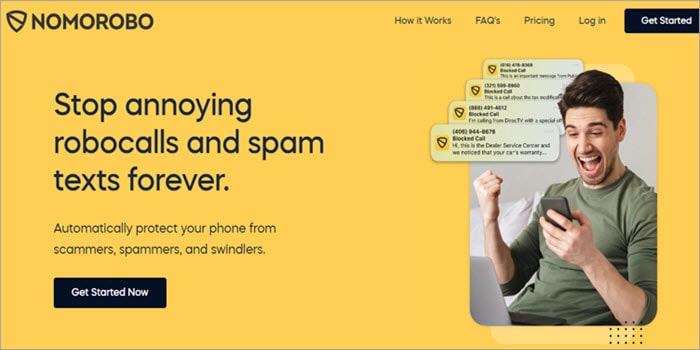
Spam call blocker for smartphones is an essential tool in today’s digital age, where unwanted calls can disrupt your daily life and compromise your privacy. These blockers not only enhance your smartphone’s functionality but also provide a layer of security against various scams and intrusive sales pitches.
With advanced technology and innovative features, spam call blockers can distinguish between legitimate calls and potential threats, ensuring that you only receive the calls that matter. From built-in solutions offered by smartphone manufacturers to third-party applications with unique functionalities, there are numerous options available to help keep your phone call experience enjoyable and stress-free.
Spam Call Blocker Functionality
Spam call blockers are essential tools in today’s digital environment, helping users manage unsolicited calls that can disrupt daily life. With the proliferation of robocalls and telemarketing, effective spam call blocking technology has become invaluable for smartphone users. These blockers utilize various methods to detect and prevent unwanted calls from reaching users, ensuring a smoother communication experience.The technology behind spam call blocking primarily relies on advanced algorithms and databases of known spam numbers.
These blockers analyze incoming calls against a constantly updated list of reported spam numbers, which allows them to identify potential unsolicited calls before they ring through. Additionally, many spam call blockers employ machine learning techniques to improve their detection rates over time, adapting to new spam numbers and tactics as they emerge. A notable feature is the ability to identify patterns in calling behavior—such as frequent robocalls from specific area codes—allowing the software to preemptively block those calls.
Features Enhancing Effectiveness of Spam Call Blockers
Several key features contribute to the effectiveness of spam call blockers, making them more reliable and user-friendly. Understanding these features can help users choose the right option for their needs.
Real-time Alerts
Users receive immediate notifications when a call is identified as spam, allowing them to avoid answering.
Customizable Settings
Users can set preferences for what constitutes a spam call, whether it be specific numbers or types of calls, tailoring the blocker to their individual needs.
Community-based Reporting
Many apps incorporate user feedback and reports, compiling a more extensive database of spam numbers that enhances detection rates.
Call Screening
Some advanced blockers provide options to screen calls, requiring callers to state their purpose before the call connects, helping identify spammers.
Integration with Address Book
Synchronization with the user’s contact list can help distinguish between legitimate calls and potential spam, reducing the chances of false positives.
Differences Between Built-in Spam Call Features and Third-party Applications
When choosing a spam call blocker, it’s important to understand the differences between built-in smartphone features and third-party applications. Each option has its advantages and drawbacks, affecting user experience.Built-in spam call features are typically integrated into the operating system of the smartphone, providing a seamless experience. These features often come with basic spam detection and may utilize the carrier’s databases to identify spam calls.
However, their functionality may be limited in terms of customization and additional features, making them suitable for users seeking straightforward protection.On the other hand, third-party applications frequently offer a broader range of functionalities. These apps may provide advanced features such as machine learning capabilities, community-driven databases, and extensive customization options. However, users should be aware that some third-party apps may require permissions that could raise privacy concerns, and their effectiveness can vary widely based on the app’s reputation and user reviews.In summary, while built-in spam call blockers offer convenient protection, third-party applications often provide enhanced features and customization, catering to users looking for more robust solutions.
Security Implications of Spam Calls
Spam calls are not just an annoyance; they pose significant security risks to smartphone users. As these unsolicited calls continue to rise, so do the tactics employed by scammers, leading to potential breaches of personal data and financial security. Understanding the threats associated with spam calls is crucial for protecting oneself in today’s digital landscape.Spam calls often serve as the initial point of contact for various scams.
The primary security risks include identity theft, financial fraud, and the installation of malicious software. Spam call blockers mitigate these threats by identifying and silencing known spam numbers. They provide a first line of defense, reducing the chances of falling victim to these deceptive tactics. By blocking unwanted calls, users can focus on legitimate communications without the constant fear of being targeted by fraudsters.
Common Scams Associated with Spam Calls
Awareness of common scams that utilize spam calls can significantly enhance personal security. Here are several prevalent scams that users should be mindful of:
- IRS Scams: Scammers impersonate IRS agents and threaten victims with arrest or legal action unless immediate payment is made.
- Tech Support Scams: Fraudsters claim to represent major tech companies, attempting to gain access to personal devices under the guise of fixing nonexistent issues.
- Prize or Lottery Scams: Victims receive calls claiming they’ve won a prize but must pay a fee to claim it, leading to financial losses.
- Fake Charity Calls: Scammers exploit victims’ goodwill by posing as representatives of charities, often just to pocket donations.
The importance of awareness cannot be overstated, as being informed is the best defense against these threats. By recognizing these tactics, individuals can better protect themselves from falling into traps set by scammers.
Data Breaches Linked to Spam Calls
Spam calls can lead to serious data breaches, often resulting from the victim unknowingly providing personal information over the phone. Numerous cases have been documented where individuals have lost sensitive data due to scams initiated by spam calls. For instance, in 2020, a well-known incident involved a large-scale data breach linked to tech support scams that exploited spam calls. Victims were coerced into divulging personal information, leading to unauthorized access to sensitive accounts and data theft.
These breaches can have long-lasting effects, resulting in financial loss, damaged credit scores, and compromised personal security.In another case, several major telecom companies reported spikes in customer complaints related to identity theft, traced back to spam calls where scammers impersonated legitimate service providers. These situations not only highlight the vulnerability of personal data but also emphasize the need for robust spam call blockers to safeguard against such risks.
Protecting personal information from spam calls is essential in preventing identity theft and financial fraud.
Marketing Strategies for Spam Call Blockers
To effectively market spam call blocker applications, businesses must leverage various digital strategies that engage users and promote their unique features. With the rising concerns around privacy and unwanted communication, it’s essential to position spam call blockers as indispensable tools for modern smartphone users. Here, we Artikel a multi-faceted approach that includes social media marketing, search engine marketing, and video content creation.
Social Media Content Strategy
A robust social media strategy can significantly enhance the user base and visibility of spam call blockers. Engaging content can educate potential users about the functionality and benefits of the application. Consider the following components:
- Targeted Advertising: Utilize platforms like Facebook, Instagram, and Twitter to reach specific demographics, particularly users who frequently receive spam calls. Create ads that highlight user testimonials and statistics about the volume of spam calls.
- Informative Posts: Share tips on how to identify spam calls and promote the app’s features. Use eye-catching graphics and infographics that convey information quickly and effectively.
- Engagement Campaigns: Run contests or polls that encourage users to share their experiences with spam calls. This not only increases engagement but also raises awareness about the app.
- Influencer Collaborations: Partner with tech influencers or consumer advocates to review and promote the app. Authentic reviews from trusted voices can sway potential users to try out the software.
Search Engine Marketing Plan
An effective search engine marketing (SEM) plan is vital to increase visibility and drive traffic to spam call blocker services. Focus on the following strategies:
- Research: Identify high-traffic s related to spam calls and blockers. Utilize tools like Google Planner to find terms that potential users search for, such as “best spam call blocker” or “how to stop spam calls.”
- PPC Campaigns: Implement pay-per-click campaigns targeting these s. Create compelling ad copy that emphasizes the app’s unique features and benefits to encourage clicks.
- Landing Pages: Design optimized landing pages that provide clear information about the app, its functionalities, and user testimonials. Ensure these pages have strong calls to action to guide users toward downloading the application.
- Strategies: Incorporate organic search optimization by writing blog posts, articles, or FAQs addressing common spam call concerns, thereby improving search rankings and driving organic traffic.
Video Marketing Campaign Design
Video marketing is a highly effective medium for showcasing the functionality of spam call blockers. A well-thought-out video campaign can demonstrate the app’s ease of use and effectiveness. Key elements to include are:
- Tutorial Videos: Create short, engaging tutorials that walk users through the installation and setup process. Visual demonstrations can demystify the app’s functionality, making it more appealing to potential users.
- User Testimonials: Feature real users sharing their experiences and how the app has transformed their smartphone usage. Authentic stories can resonate with potential users and establish trust in the product.
- Animated Explainers: Develop animated videos that explain how spam calls work and how the app can help. These videos should be concise, using visuals to keep viewers engaged and informed.
- Social Media Clips: Utilize snippets of longer videos for platforms like Instagram and TikTok, where shorter content performs well. Highlight key features in quick, dynamic formats to capture audience interest.
Final Review
In conclusion, spam call blockers for smartphones serve as vital allies in the fight against nuisance calls and potential security threats. By utilizing effective blocking technologies and staying informed about common scams, you can protect your personal information and enjoy a quieter, more focused life. Embracing these tools is not just about convenience; it’s about taking control of your communication and ensuring your safety.
FAQ
How does a spam call blocker work?
A spam call blocker uses algorithms and databases to identify and block known spam numbers, filtering out unwanted calls before they reach you.
Are built-in spam call features effective?
Yes, built-in spam call features can be effective, but third-party applications often offer more advanced functionalities and customizable options.
Will a spam call blocker stop all unwanted calls?
While spam call blockers significantly reduce unwanted calls, they may not catch every spam call, especially if the number is new or unreported.
Do spam call blockers collect my personal data?
Most reputable spam call blockers do not collect personal data; however, it’s essential to review their privacy policies before installation.
Can I customize my spam call blocker settings?
Yes, many spam call blockers allow you to customize settings, such as whitelisting certain numbers or adjusting the level of filtering.