Content clusters and topic authority building strategies

Content clusters and topic authority

Content clusters and topic authority are pivotal concepts in the digital landscape that not only streamline your content creation process but also enhance your visibility on search engines. Imagine the power of grouping related content around a core topic; it not only establishes your expertise but also makes it easier for both users and search engines to navigate your information.

This approach effectively builds a robust framework for understanding how topics interconnect, thus boosting your website’s authority. By weaving together various pieces of content that revolve around a central theme, you create a comprehensive resource that appeals to your audience and ranks better in search results.

Content Clusters and Topic Authority

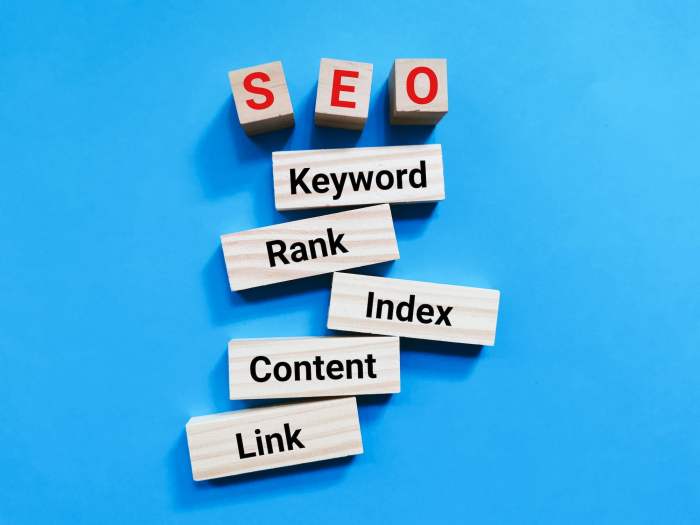
Content clusters are a strategic approach to organizing content on a website that enhances the site’s authority on specific topics. By grouping related content together, these clusters not only help in providing comprehensive information to users but also signal to search engines that the site is a credible source on those subjects. This method leads to improved search engine rankings and higher visibility in search results.The concept of content clusters revolves around a central pillar page that offers a broad overview of a topic, while individual cluster content delves into specific s linked to that pillar.

This interconnectedness fosters a better user experience, as visitors can easily navigate between related articles, deepening their understanding of the subject matter. Additionally, search engines recognize this structure as a sign of topic authority, which can lead to higher rankings.

Relationship Between Content Clusters and Improved Search Engine Ranking

Effective content clusters play a crucial role in enhancing search engine rankings. By establishing a clear hierarchy of information, search engines can easily crawl and index the content, improving the likelihood that it will appear in relevant search results. The following points illustrate how content clusters can directly influence rankings:

  • Increased Internal Linking: Content clusters encourage linking between related articles, which helps spread link equity throughout the site and improves overall .
  • Enhanced User Engagement: By providing a comprehensive set of related content, users are more likely to stay longer on the site, reducing bounce rates and signaling to search engines that the content is valuable.
  • Optimization: Well-structured content clusters allow for better targeting of s, ensuring that both the pillar and cluster content are optimized for search queries.
  • Authority Building: As more high-quality content is added to a cluster, the website is perceived as an authoritative source on the topic, which can lead to higher rankings and more backlinks from other credible sites.

Best Practices for Creating Effective Content Clusters

To create robust content clusters that effectively build topic authority, certain best practices should be followed. These practices help ensure that the content is not only informative but also strategically aligned for .The following guidelines Artikel the essential practices for developing effective content clusters:

  • Identify Core Topics: Begin with thorough research to identify core topics relevant to your audience and industry.
  • Create a Comprehensive Pillar Page: Develop a detailed pillar page that serves as the central hub for your topic, providing an overview and linking to all related cluster content.
  • Develop High-Quality Cluster Content: Each piece of cluster content should provide valuable insights, data, or practical information that pertains to the .
  • Utilize Internal Linking: Ensure that all cluster content links back to the pillar page, and each piece of cluster content links to one another where relevant.
  • Regularly Update Content: Keep the content fresh and relevant by updating both the pillar and cluster articles as new information or trends emerge.

Search Engine Marketing Strategies

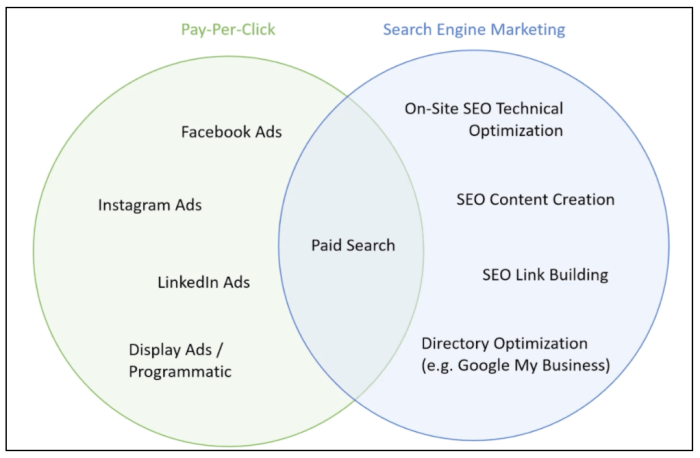
In the rapidly evolving digital landscape, effective search engine marketing (SEM) strategies are crucial for businesses looking to enhance their online presence. One of the most significant components of SEM is the utilization of content clusters, which not only improve organic search rankings but also bolster paid advertising efforts. By leveraging content clusters, brands can establish topic authority and ensure their messaging resonates with target audiences.Content clusters play a vital role in search engine marketing by organizing content around central themes or topics.

This hierarchy of information allows search engines to better understand the context and relevance of web pages, which can lead to improved rankings for both organic and paid search results. When a website demonstrates authority on a particular subject, it increases the likelihood of attracting qualified traffic and converting visitors into customers.

Integration of Content Clusters into Paid Advertising Campaigns

Integrating content clusters into paid advertising campaigns can enhance their effectiveness and maximize return on investment (ROI). Here are some key methods to achieve this:

  • Alignment: Ensure that the s used in paid ads align with the topics covered in your content clusters. This alignment helps in creating a cohesive message that resonates with users searching for relevant information.
  • Dynamic Landing Pages: Create landing pages based on the specific content clusters. This approach ensures that users who click on the ads are taken to highly relevant pages, providing a better user experience and increasing conversion rates.
  • Remarketing Strategies: Utilize remarketing ads targeted towards users who have engaged with content within your clusters. This method reinforces messaging and encourages users to return for further exploration.
  • A/B Testing: Experiment with different ad copy and visuals that reflect the topics within your content clusters. A/B testing can provide insights into what resonates best with your audience, enabling you to refine your approach.

Each of these methods harnesses the strength of content clusters to create a more integrated and effective search engine marketing strategy.

Examples of Successful Search Engine Marketing Using Content Authority Strategies

Several brands have effectively incorporated content authority strategies into their search engine marketing efforts to achieve outstanding results. One notable example is HubSpot, which has tailored its SEM approach around comprehensive content clusters. By publishing in-depth articles that cover various aspects of inbound marketing, they have positioned themselves as a leader in the field. This strategy not only draws organic traffic but also enhances their PPC campaigns, as ads link directly to detailed, authoritative content.Another example is Moz, a well-known provider of tools and resources.

They have successfully employed content clusters to dominate search results for -related queries. By structuring their content around specific s and topics, they have built a strong presence in both organic search and paid advertising, showcasing their expertise and driving significant traffic to their website.These examples illustrate how leveraging content authority through structured content clusters can lead to successful search engine marketing initiatives, benefiting both organic and paid search strategies.

Social Media and Content Clusters
Content clusters and topic authority

Content clusters play a pivotal role in optimizing social media marketing strategies. By organizing related content around a central theme, brands can not only improve their search engine visibility but also enhance their social media presence. When effectively utilized, content clusters can drive traffic, boost engagement, and create a cohesive narrative across various platforms.The integration of content clusters into social media marketing can amplify brand messages and facilitate audience engagement.

This approach allows marketers to share interconnected content that resonates with their target demographics, ultimately fostering a sense of community and encouraging sharing among users. Positioning content clusters strategically can lead to a more engaged following and higher conversions.

Enhancing Social Media Marketing with Content Clusters

Incorporating content clusters into social media marketing efforts can yield significant benefits. Here are some ways content clusters enhance social media strategies:

  • Consistent Messaging: By sharing content that revolves around a central theme, brands can ensure their messaging is cohesive across all social media channels. This consistency reinforces brand identity and builds trust with the audience.
  • Increased Shareability: Interconnected topics and content pieces encourage users to share multiple related posts. This can lead to a higher overall reach and improved brand visibility.
  • Improved Engagement: Content clusters provide opportunities for deeper engagement with followers as they explore various facets of a topic. This can include discussions, comments, and interactions that enhance community building.
  • Benefits: Sharing clustered content on social media can drive traffic back to a website, boosting its search engine ranking through increased backlinks and user engagement.

Creating a strategy for promoting content clusters on social networking platforms involves several steps. First, it is essential to identify the key themes and topics that resonate with the target audience. Once established, these topics can be promoted through tailored posts and campaigns across various platforms.

Strategy for Promoting Content Clusters on Social Media

A comprehensive strategy for sharing content clusters includes several essential components:

1. Identify Core Topics

Research and determine the main themes that align with your brand and audience interests.

2. Content Creation

Develop high-quality content (articles, videos, infographics) around each core topic, ensuring they link back to a pillar page or main piece.

3. Platform Selection

Choose social media platforms that best reach your audience. For example, LinkedIn may be suitable for B2B content, while Instagram or TikTok might be ideal for B2C.

4. Scheduled Posts

Create a content calendar to regularly share posts that promote various aspects of the content clusters, ensuring a steady flow of information.

5. Engagement Tactics

Utilize polls, questions, and call-to-action statements to encourage interaction with your content. This can also help in gathering feedback and insights from your audience.

6. Monitor and Adjust

Regularly analyze user engagement and traffic metrics to determine what content resonates most. Adjust your strategy based on these insights to enhance effectiveness.

Metrics to Measure the Impact of Content Clusters

Measuring the success of content clusters in social media marketing requires the identification of key metrics. Evaluating these metrics allows brands to understand the effectiveness of their strategies and adjust them accordingly.The following metrics should be considered when assessing the impact:

  • Engagement Rate: This includes likes, shares, comments, and overall interaction with the content. A higher engagement rate indicates that the audience finds the content valuable.
  • Traffic to Website: Tracking the number of visitors coming from social media to the content cluster pages can provide insights into the effectiveness of social media promotions.
  • Follower Growth: A steady increase in followers can indicate that the content is resonating with the audience and driving interest in the brand.
  • Click-Through Rate (CTR): Measuring how often people click on links to the content clusters from social media posts can indicate the effectiveness of call-to-action strategies.

By strategically integrating content clusters into social media efforts, brands can create a more engaging and cohesive online presence that drives traffic and builds strong community connections.

Final Thoughts

Content clusters and topic authority

To summarize, mastering content clusters and establishing topic authority can significantly enhance your online presence and marketing strategies. By integrating these elements into your content and social media efforts, you not only improve your search engine ranking but also foster deeper connections with your audience, ultimately driving more engagement and conversions.

FAQ Overview

What are content clusters?

Content clusters are groups of related content that revolve around a central topic, designed to improve search engine optimization and user experience.

How do content clusters affect ?

They enhance by organizing content in a way that search engines find easier to index, improving your site’s authority and rankings.

Can content clusters help with social media marketing?

Yes, they can provide a structured way to share related content on social media, increasing engagement and driving traffic to your site.

What are best practices for creating content clusters?

Best practices include identifying core topics, linking related articles, and optimizing content for relevant s.

How often should I update my content clusters?

Regular updates are essential to maintain relevance; consider revisiting your clusters every few months to ensure they reflect current information.
Core Web Vitals optimization guide for better performance

Core Web Vitals optimization guide

As the Core Web Vitals optimization guide takes center stage, this opening passage beckons readers into a world crafted with valuable insights, ensuring a reading experience that is both absorbing and distinctly original.

Core Web Vitals encompass essential metrics that determine the user experience on your website. Understanding how these metrics—Largest Contentful Paint, First Input Delay, and Cumulative Layout Shift—affect site performance is crucial for digital success. This guide will illuminate actionable strategies for optimizing these metrics, ultimately leading to improved engagement and satisfaction for visitors.

Understanding Core Web Vitals

Core Web Vitals optimization guide

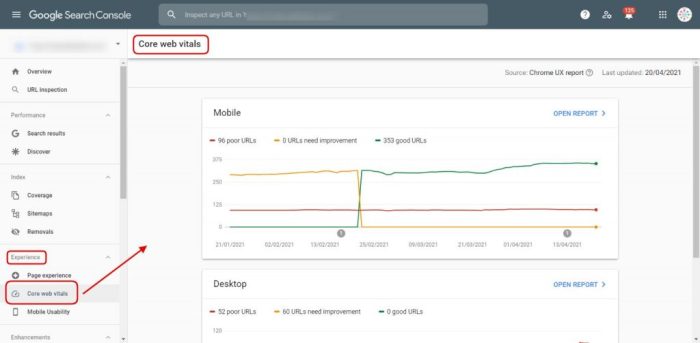
Core Web Vitals are essential metrics that Google uses to assess the overall user experience of a website. These metrics focus on three key performance indicators: Largest Contentful Paint (LCP), First Input Delay (FID), and Cumulative Layout Shift (CLS). By understanding and optimizing these factors, website owners can significantly enhance user satisfaction and site performance.The three key metrics have distinct roles in determining how users experience a web page.

LCP measures loading performance, FID gauges interactivity, and CLS evaluates visual stability. Each of these metrics has a direct impact on user engagement and retention. A website that loads slowly, is unresponsive, or shifts unexpectedly can frustrate users, leading to higher bounce rates and diminished conversions.

Largest Contentful Paint (LCP)

Largest Contentful Paint is a crucial metric that measures the time it takes for the largest visible content element on the page to load. This typically includes images, videos, or any substantial text block. A fast LCP enhances the perception of speed and efficiency, which is vital for user satisfaction. For example, when an online store’s main product image takes too long to load, users may choose to leave the site out of frustration, impacting sales.

Optimizing LCP can involve strategies such as:

  • Optimizing images for size and format to ensure quicker loading times.
  • Leveraging browser caching to serve previously requested content faster.
  • Minifying CSS and JavaScript to eliminate unnecessary code that might slow down rendering.

First Input Delay (FID)

First Input Delay measures the time it takes for a user to interact with a page and see a response. This interaction could be clicking a button, tapping a link, or using any actionable element on a page. A low FID is critical as it indicates a smooth and responsive user experience.For instance, if a user clicks on a “Buy Now” button and the website takes several seconds to respond, the user may feel that the website is lagging or broken, leading to frustration.

Strategies to improve FID include:

  • Reducing JavaScript execution time to ensure quicker responses to user actions.
  • Deferring non-essential scripts so that they do not block the main thread.
  • Using web workers to handle background tasks without interfering with the user’s interaction.

Cumulative Layout Shift (CLS)

Cumulative Layout Shift is a metric that quantifies the visual stability of a webpage. It measures how much the page layout shifts during loading, which can lead to a disorienting experience for users. A high CLS score indicates that elements on the page are moving around, which can impact usability and readability.For example, if a user is about to click on a link and the page shifts, it could lead them to click on an unintended element, resulting in frustration or navigation errors.

To reduce CLS, consider the following methods:

  • Always include dimensions for images and video elements to reserve space before they load.
  • Avoid inserting new content above existing content unless it is in response to user interaction.
  • Use CSS aspects to maintain layout stability during dynamic content loading.

Tools for Measuring Core Web Vitals

To effectively measure and analyze Core Web Vitals, several tools are available that provide insights into how your site performs. Each tool can help identify areas needing improvement and track performance over time. Some of the most popular tools include:

  • Google PageSpeed Insights: Analyzes a webpage and provides specific suggestions for improving LCP, FID, and CLS.
  • Google Lighthouse: An open-source tool that audits site performance, accessibility, and , giving detailed reports on Core Web Vitals.
  • Web Vitals Chrome Extension: A simple tool that provides real-time feedback on Core Web Vitals as users interact with your site.

By utilizing these tools, webmasters can gain visibility into their website’s performance and make informed decisions to enhance user experience based on hard data.

Strategies for Optimization

To enhance your website’s performance, focusing on the three key metrics of Core Web Vitals is essential. Implementing effective strategies to improve Largest Contentful Paint (LCP), First Input Delay (FID), and Cumulative Layout Shift (CLS) can significantly enhance user experience and search rankings. Below are actionable steps and best practices designed to optimize these vital components.

Improving Largest Contentful Paint

Largest Contentful Paint measures the loading performance of a webpage, specifically how long it takes for the largest visible content element to render. Reducing LCP is crucial for providing a fast and efficient user experience. Here are some actionable steps:

  • Optimize Images: Compress and serve images in next-gen formats (like WebP) to reduce their size without sacrificing quality. Utilize responsive images to ensure they load correctly on various devices.
  • Implement Lazy Loading: Prioritize loading above-the-fold content first. Use lazy loading for images and videos further down the page, which helps decrease initial load times.
  • Minimize Server Response Times: Use a reliable hosting service and optimize your back-end processes. Consider using a Content Delivery Network (CDN) to reduce latency by serving content closer to users.
  • Reduce JavaScript and CSS Blocking: Defer loading non-critical JavaScript and CSS files to prioritize essential content rendering. This helps to minimize delays in displaying the main content.

Reducing First Input Delay

First Input Delay measures the time it takes for a user to interact with a page (such as clicking a button) and receiving a response from the browser. A low FID is vital for an optimal user experience. Here’s a list of best practices to reduce FID:

  • Minimize JavaScript Execution: Optimize and reduce the size of JavaScript files to allow for faster execution. Use code-splitting to load only the necessary scripts for each page.
  • Reduce Main Thread Work: Limit tasks that block the main thread, such as heavy computations or excessive DOM manipulations. Utilize web workers for offloading intensive tasks.
  • Preload Key Resources: Use ` ` for important scripts and fonts to ensure they are loaded earlier in the process, improving responsiveness when users interact.

Minimizing Cumulative Layout Shift

Cumulative Layout Shift measures the visual stability of a webpage, indicating how often content shifts during loading. Minimizing CLS is essential for maintaining a smooth and predictable user experience. The following techniques can help achieve this:

  • Specify Size for Images and Videos: Always define width and height attributes for images and videos to reserve space before they load, preventing shifts as content appears.
  • Include Dimension Attributes for Ads: If you display ads, ensure they have defined dimensions to prevent layout shifts when they load.
  • Avoid Inserting Content Above Existing Content: Maintain the order of content. If new content is added, place it below the existing content to minimize unexpected shifts.
  • Use CSS for Layout Shifts: Employ CSS properties like `min-height` for containers that may have dynamic content, ensuring consistent spacing during loads.

Related Concepts in Digital Marketing

In today’s digital landscape, understanding Core Web Vitals is essential not just for enhancing user experience, but also for effectively driving business goals. These metrics are intrinsically linked to broader digital marketing strategies, particularly in relation to search engine marketing (SEM), trends, and social media engagement. Recognizing these connections can help businesses optimize their online presence holistically.

Core Web Vitals and Search Engine Marketing

Core Web Vitals have a direct impact on search engine marketing efforts. These metrics – Largest Contentful Paint (LCP), First Input Delay (FID), and Cumulative Layout Shift (CLS) – measure crucial aspects of user experience. Google has made it clear that these factors play a vital role in search rankings. Advertisers must ensure that their landing pages not only convert well but also meet the performance standards set by these metrics.

“Websites that prioritize user experience are more likely to achieve higher ad quality scores, leading to better placement and lower costs per click.”

An efficient SEM strategy benefits greatly from improved Core Web Vitals. By lowering bounce rates and increasing user satisfaction, businesses can expect better return on investment (ROI) from their advertising spend.

Influence of Internet and Trends on Core Web Vitals Performance

Continuously evolving Internet and trends have a significant impact on how Core Web Vitals are perceived and implemented. For instance, with the rise of mobile-first indexing, sites that are not optimized for mobile devices will struggle with performance scores. As users have shifted towards a preference for faster, more responsive websites, search engines have adjusted their algorithms to reward sites that excel in Core Web Vitals.

The following points illustrate how these trends shape performance:

  • Increasing emphasis on mobile optimization, leading to higher expectations for load speeds.
  • Adoption of progressive web apps (PWAs) that inherently improve user experience.
  • Growth in video content, which requires careful management to avoid negatively impacting loading times and CLS.

Companies that stay ahead of these trends can ensure compliance with Core Web Vitals, thus maintaining favorable search engine rankings.

Impact of Social Media and Networking on User Engagement Metrics

Social media platforms play a critical role in driving traffic to websites, making it essential for businesses to optimize their Core Web Vitals. Effective social media campaigns can significantly affect user engagement metrics such as click-through rates and average session durations.When users find a website through social media links, their initial impressions are often influenced by the page’s loading speed and visual stability.

A seamless experience can lead to higher engagement and sharing rates.

“Effective social media strategies hinge on the website’s ability to provide an engaging and fast user experience.”

The following aspects showcase the interplay between social media and Core Web Vitals:

  • Social media traffic often leads to diverse visitor profiles, necessitating adaptable website performance.
  • High engagement on social media can enhance direct traffic to sites, improving overall performance metrics.
  • Negative feedback on social media regarding slow websites can harm brand reputation and reduce traffic.

By prioritizing Core Web Vitals, businesses can maximize user engagement from social media referrals, ultimately leading to better overall performance in their digital marketing initiatives.

Epilogue

Core Web Vitals optimization guide

In conclusion, mastering Core Web Vitals is more than just a technical requirement; it’s a gateway to enhancing user experience and boosting your site’s visibility in search rankings. By implementing the strategies Artikeld in this guide, you’ll be well-equipped to create a smoother, faster, and more engaging online environment for your audience.

FAQ Overview

What are Core Web Vitals?

Core Web Vitals are a set of three important metrics that measure the user experience on a website, specifically focusing on loading performance, interactivity, and visual stability.

How can I measure Core Web Vitals?

You can measure Core Web Vitals using tools like Google PageSpeed Insights, Lighthouse, or the Web Vitals Chrome extension, which provide insights into how your site performs regarding these metrics.

Why are Core Web Vitals important?

Core Web Vitals are important because they directly influence user experience, which can affect engagement, conversion rates, and your site’s rankings in search results.

Can I improve Core Web Vitals on my own?

Yes, many optimizations can be implemented independently, such as optimizing images, leveraging browser caching, and improving server response times.

How often should I check my Core Web Vitals?

It’s advisable to check your Core Web Vitals regularly, especially after making changes to your website or launching new content, to ensure ongoing performance optimization.

Internet of Things (IoT) security Unveiling Challenges and Solutions

Iot security architecture device layers part understanding communication principles key an overall ceo explained cora highlights six george here see

Internet of Things (IoT) security is a critical aspect of modern technology that demands our attention. As more devices become interconnected, the potential vulnerabilities expand, making it essential to address the security challenges that arise. From smart thermostats to sophisticated home monitoring systems, securing these devices is paramount to safeguarding our daily lives and personal information.

In this discussion, we will explore the various security vulnerabilities inherent in IoT devices, the impact of inadequate protections, and the best practices that can help fortify our connected ecosystems. By delving into emerging technologies and solutions, we aim to provide a comprehensive understanding of how to navigate the complexities of IoT security effectively.

IoT Security Challenges

Internet of Things (IoT) security

The rapid expansion of the Internet of Things (IoT) has transformed the landscape of technology, providing enhanced convenience and efficiency across various sectors. However, with this growth comes significant security vulnerabilities that pose challenges to users and organizations alike. As connected devices proliferate, it becomes crucial to identify these vulnerabilities and address the potential risks associated with inadequate security measures.Security vulnerabilities in IoT devices stem from various factors, including weak authentication protocols, insufficient encryption, and outdated firmware.

A primary concern is the lack of standardized security practices across different manufacturers, which leads to inconsistency in device protection. For instance, many IoT devices have default passwords that users neglect to change, making them easy targets for cyber-attacks. Additionally, the vast amount of data collected by these devices can be exploited if not properly secured. The impact of inadequate security can be severe, potentially leading to data breaches, unauthorized access, and even the manipulation of devices for malicious purposes.

Main Security Vulnerabilities in IoT Devices

Understanding the primary vulnerabilities within IoT devices is essential for mitigating security risks. These vulnerabilities can be categorized as follows:

  • Weak Authentication: Many IoT devices rely on simplistic authentication methods, such as default usernames and passwords, which can be easily guessed or brute-forced.
  • Poor Encryption Practices: A significant number of devices do not utilize strong encryption, leaving data transmitted between devices susceptible to interception.
  • Inadequate Firmware Updates: Many IoT devices are not regularly updated, meaning vulnerabilities remain unaddressed, allowing attackers to exploit known issues.
  • Insufficient Network Security: Devices connected to unsecured networks increase the risk of unauthorized access, rendering them vulnerable to attacks.

Impact of Inadequate Security on IoT Ecosystems

Inadequate security in IoT devices can have far-reaching consequences, affecting not only individual users but also the broader ecosystem. A single compromised device can serve as a gateway for attackers to infiltrate entire networks, leading to widespread disruption.The ramifications include:

  • Data Breaches: Sensitive personal information can be exposed, leading to identity theft and financial loss for individuals.
  • Operational Disruption: In critical sectors such as healthcare and transportation, compromised devices can disrupt services, risking lives and safety.
  • Financial Losses: Organizations may face significant financial repercussions due to legal liabilities, loss of customers, and damage to their reputation.
  • Loss of Trust: As security incidents become more prevalent, consumer trust in IoT technology may decline, hindering future adoption and innovation.

Challenges of Securing Connected Devices in Smart Homes

Securing connected devices within smart homes presents unique challenges due to the diverse range of products and the varying security measures implemented by manufacturers. Smart home ecosystems often consist of devices from multiple vendors, each with its own security protocols, creating vulnerabilities.Key challenges include:

  • Interoperability Issues: Different devices may not communicate securely, leading to potential entry points for cyber-attacks.
  • User Awareness: Many consumers lack knowledge about securing their devices, including changing default settings and implementing strong passwords.
  • Complexity of Management: Managing security across numerous devices can be overwhelming, leading to lapses in protection.
  • Insufficient Security Standards: The absence of universal security standards for smart home devices creates gaps that can be exploited by attackers.

Best Practices for IoT Security

Iot security architecture device layers part understanding communication principles key an overall ceo explained cora highlights six george here see

Securing Internet of Things (IoT) devices is crucial in safeguarding personal and organizational data against potential threats. As the number of connected devices continues to rise, ensuring robust security practices becomes increasingly important. This section will Artikel essential best practices that can be implemented to enhance the security of IoT devices.

Checklist for Securing IoT Devices

When managing multiple IoT devices, it is vital to have a clear checklist that ensures all security measures are addressed. The following checklist highlights critical steps in securing your IoT ecosystem:

  • Change default passwords: Replace factory-set passwords with strong, unique passwords.
  • Update firmware regularly: Ensure that devices are always running the latest software versions.
  • Enable network security: Utilize firewalls and secure Wi-Fi networks to protect devices.
  • Implement user access controls: Limit access to IoT devices to only those who need it.
  • Monitor device activity: Regularly check for unusual behavior or unauthorized access attempts.
  • Use secure communication protocols: Employ protocols like HTTPS, MQTT with TLS, or DTLS for data transmission.

Methods for Implementing Encryption in IoT Communications

Encryption is a fundamental aspect of protecting data transmitted between IoT devices. By employing strong encryption methods, sensitive information can be safeguarded from eavesdropping and tampering. The following methods can be utilized to ensure secure IoT communications:

  • AES (Advanced Encryption Standard): Use AES with a key size of at least 128 bits for encrypting data in transit.
  • TLS (Transport Layer Security): Implement TLS for securing data exchanges over networks, which provides confidentiality and integrity.
  • VPN (Virtual Private Network): Utilize a VPN to create an encrypted tunnel for data transfers between devices and networks.
  • Public Key Infrastructure (PKI): Utilize PKI to manage digital certificates and encryption keys, ensuring secure authentication and encryption.

Guide for Regularly Updating IoT Firmware

Regular firmware updates are essential to protect IoT devices from vulnerabilities. Keeping firmware up to date can help mitigate risks posed by security flaws. The following guide Artikels steps for effectively updating IoT firmware:

  • Enable automatic updates: If available, enable automatic firmware updates to ensure devices receive the latest security patches promptly.
  • Set reminders for manual checks: Create a schedule to manually check for firmware updates for devices without automatic update capabilities.
  • Review release notes: Before applying updates, review the release notes for any significant changes or potential impacts on device functionality.
  • Backup configurations: Always back up device settings before performing updates to avoid data loss.
  • Test updates on non-critical devices: If possible, test firmware updates on a secondary device to identify any issues before applying them to primary devices.

“Regularly updating IoT firmware is a proactive measure that enhances device security and minimizes risks from vulnerabilities.”

IoT Security Solutions and Technologies

The landscape of IoT security is rapidly evolving as technology advances. With the increasing interconnectivity of devices, ensuring their security has become a top priority. Emerging solutions and technologies play a crucial role in safeguarding these devices and the data they handle. This section delves into the innovative strategies and tools designed to enhance IoT security, along with the significant contributions of artificial intelligence in monitoring potential threats.

Emerging Technologies Enhancing IoT Security

Various technologies are now being integrated into IoT systems to bolster security measures. These advancements include blockchain technology, which provides a decentralized method of securing data transactions across devices, making it difficult for unauthorized parties to access sensitive information. Additionally, the deployment of edge computing reduces the amount of data sent to the cloud, minimizing the risk of interception and enhancing response times in security incidents.

Furthermore, the use of secure hardware elements, such as Trusted Platform Modules (TPMs) and Hardware Security Modules (HSMs), adds a layer of physical security to devices, protecting them from tampering and unauthorized access.

Role of AI in Monitoring IoT Security Threats

Artificial intelligence is transforming the way security threats are monitored and addressed in IoT environments. AI-driven systems utilize machine learning algorithms to analyze vast amounts of data in real-time, identifying unusual patterns that may indicate a security breach. These systems can autonomously respond to potential threats, mitigating risks before they escalate. AI also aids in predictive analytics, allowing organizations to anticipate potential vulnerabilities based on historical data and trends.

By automating threat detection and response, AI significantly enhances the overall security posture of IoT networks.

Comparison of Popular IoT Security Platforms

Several IoT security platforms have emerged, each offering distinct features and capabilities. Evaluating these platforms is crucial for organizations looking to improve their security posture. Here’s a comparison of some leading options in the market:

Platform Key Features Target Audience
IBM Watson IoT Platform AI-driven analytics, device management, security management Large enterprises seeking comprehensive IoT solutions
Microsoft Azure IoT Security Integration with Azure services, advanced threat protection Organizations using cloud-based infrastructures
Cisco IoT Control Center Network management, device visibility, security monitoring Telecommunications and service providers
Amazon Web Services (AWS) IoT Security Secure device connectivity, data encryption, threat detection Developers and enterprises using AWS cloud services

This comparison highlights the diverse offerings available, enabling organizations to select the most suitable platform based on their specific needs and infrastructure requirements.

Conclusion

In summary, the landscape of Internet of Things (IoT) security is evolving rapidly, and staying informed is crucial. As we embrace the convenience and efficiency that IoT devices bring, we must prioritize security measures to protect ourselves from potential threats. By implementing best practices and leveraging advanced technologies, we can create a safer environment for our digital lives, ensuring a resilient and secure IoT ecosystem.

Clarifying Questions

What are the common vulnerabilities in IoT devices?

Common vulnerabilities include weak passwords, outdated firmware, and lack of encryption.

How can I secure my smart home devices?

Use strong, unique passwords, enable encryption, and regularly update firmware.

Is AI effective in monitoring IoT security?

Yes, AI can analyze vast amounts of data to detect unusual patterns and potential security threats.

What should I do if my IoT device is compromised?

Immediately disconnect the device from the network, reset it, and change passwords.

Are there any recommended IoT security platforms?

Popular platforms include Armis, Bitdefender, and Palo Alto Networks IoT Security.

AI tools for SEM automation and enhancing strategies

AI tools for SEM automation

As AI tools for SEM automation take center stage, they revolutionize how marketers approach search engine marketing. The integration of artificial intelligence into SEM tasks not only streamlines efforts but also significantly boosts effectiveness. From optimizing bids to enhancing strategies, AI tools are becoming indispensable in creating high-performing campaigns.

This discussion delves into the vital role of AI in automating SEM tasks, highlights popular tools that are reshaping campaigns, and explores their benefits in bid management and optimization. Furthermore, we will touch upon how these tools can seamlessly integrate with existing platforms while ensuring robust security and data privacy.

AI Tools for SEM Automation

The integration of artificial intelligence into Search Engine Marketing (SEM) has revolutionized the way marketers optimize their campaigns. By automating repetitive tasks and providing insights derived from vast data sets, AI tools streamline the SEM process, allowing marketers to focus on strategy and creativity. This shift not only enhances efficiency but also improves campaign performance and ROI.AI plays a significant role in automating various SEM tasks, including research, ad targeting, and bid management.

These tools analyze data patterns to make real-time adjustments, ensuring that ads reach the right audience at the right time. For example, AI algorithms can automatically adjust bids based on the likelihood of conversion, maximizing budget efficiency.

Popular AI Tools Enhancing SEM Campaigns

Several AI tools have emerged as leaders in enhancing SEM campaigns. Each tool offers unique features designed to facilitate different aspects of SEM.

  • Google Ads Smart Bidding: This feature utilizes machine learning to optimize bids for conversions or conversion value in each auction, adapting bids in real-time based on various factors like device, location, and time of day.
  • WordStream: This tool provides suggestions for optimizing ad campaigns through insights and offers performance tracking, making it easier for marketers to adjust campaigns based on data-driven recommendations.
  • Optmyzr: Known for its automation capabilities, Optmyzr offers features like One-Click Optimizations and custom reporting to streamline account management and improve campaign performance.
  • SEMrush: Primarily a research tool, SEMrush incorporates AI to analyze competitors’ s and strategies, helping marketers find opportunities for their campaigns.

The benefits of using AI for bid management and optimization are numerous and impactful. By leveraging AI, marketers can achieve more precise bidding strategies that adapt to market trends and user behavior.

Benefits of AI for Bid Management and Optimization

Implementing AI in bid management and optimization leads to enhanced efficiency and effectiveness in SEM campaigns. Some key benefits include:

  • Real-time Adjustments: AI continuously analyzes data and adjusts bids in real-time, ensuring ads remain competitive without overspending.
  • Improved Targeting: By analyzing user behavior and engagement patterns, AI tools help identify the most effective s and target demographics, leading to higher conversion rates.
  • Time Savings: Automating bid management allows marketers to focus on strategic decisions rather than spending time on manual adjustments.
  • Data-Driven Decisions: AI provides insights based on large datasets, enabling marketers to make informed decisions regarding which s to prioritize and how to allocate budgets.

“AI-driven SEM tools not only enhance performance but also empower marketers to think strategically and creatively.”

As companies increasingly rely on data-driven approaches, the role of AI in SEM automation is becoming more crucial. The future of SEM is undoubtedly intertwined with advancements in AI technology, promising an even more sophisticated marketing landscape.

Integration of AI Tools with Internet and Security

AI tools for SEM automation

The integration of AI tools within the realm of digital marketing is not just about enhancing performance; it also plays a pivotal role in bolstering security measures. As businesses increasingly rely on digital channels, safeguarding sensitive data and ensuring secure transactions have become paramount. AI tools facilitate this through advanced threat detection, automated monitoring, and improved risk assessment strategies.AI tools can significantly enhance security measures in digital marketing through the implementation of predictive analytics and anomaly detection.

These capabilities allow for real-time monitoring of user behavior and digital transactions, effectively identifying potential security breaches before they escalate. Moreover, AI-driven algorithms can analyze vast amounts of data, identifying patterns and inconsistencies that may indicate fraudulent activities or security threats.

Methods for Integration of AI Tools with Existing SEM Platforms

Integrating AI tools with existing SEM platforms requires a strategic approach to ensure both effectiveness and security. By following these methods, businesses can enhance their security posture without compromising performance:

1. API Integrations

Utilize APIs to seamlessly connect AI tools with existing SEM platforms. This enables real-time data exchange and enhances the functionality of marketing campaigns.

2. Data Encryption

Ensure that all data transmitted between AI tools and SEM platforms is encrypted. This protects sensitive information from potential interception during transit.

3. Regular Security Audits

Conduct periodic audits to assess the security measures in place during the integration process. This helps in identifying vulnerabilities and making necessary adjustments promptly.

4. User Access Controls

Implement strict user access controls to limit the number of individuals who can access sensitive data. This minimizes the risk of internal breaches.

5. Training and Awareness

Provide training for team members on the importance of security in digital marketing and the role of AI tools. Awareness programs can significantly reduce human errors that lead to security breaches.By adopting these methods, organizations can effectively integrate AI tools into their SEM practices while ensuring robust security measures are maintained.

Implications of AI on Data Privacy in Marketing Automation

The use of AI in marketing automation has significant implications for data privacy. As AI tools collect and analyze vast amounts of consumer data, the potential for breaches and misuse increases. Organizations must navigate the delicate balance between leveraging consumer data for targeted marketing and respecting individual privacy rights.To address these concerns, businesses should consider implementing the following practices:

Compliance with Regulations

Ensure adherence to data protection regulations such as GDPR and CCPA. This includes obtaining explicit consent from users before collecting their personal information.

Transparent Data Practices

Maintain transparency about how consumer data is being used and processed. Clear communication fosters trust and encourages user engagement.

Data Minimization

Adopt a policy of collecting only the data necessary for marketing purposes. This reduces the risk associated with handling excessive amounts of sensitive information.

Regular Data Anonymization

Implement strategies for anonymizing data to protect consumer identities. This approach allows businesses to analyze trends without directly associating data with individuals.Through understanding and addressing these implications, organizations can leverage AI in their marketing efforts while maintaining a strong commitment to data privacy.

AI Tools in Social Media and Site Promotion

The integration of AI tools in social media management and site promotion has revolutionized the way brands engage with their audiences. By leveraging advanced algorithms and data analytics, these tools streamline processes, enhance user engagement, and optimize content strategies. This discussion explores various AI tools specifically designed for social media management and promotion, highlights the effectiveness of AI-driven content recommendations, and delves into the role of AI in social bookmarking strategies for increasing visibility.

Comprehensive List of AI Tools for Social Media Management and Promotion

The following AI tools have gained popularity for their capabilities in managing social media campaigns, automating posts, and analyzing audience interactions. These tools empower marketers to understand their audience better and tailor content accordingly.

  • Hootsuite: An all-in-one platform that allows users to schedule posts, monitor social media interactions, and analyze performance metrics using AI-driven insights.
  • Buffer: This tool utilizes AI to suggest optimal posting times and generate reports on engagement, helping brands refine their strategies.
  • Sprout Social: Sprout Social combines social media management with powerful analytics, assisting businesses in understanding audience sentiment and engagement through AI analysis.
  • Canva: While primarily a design tool, Canva uses AI to recommend design elements and templates tailored for social media, enhancing visual content creation.
  • BuzzSumo: BuzzSumo’s AI algorithms analyze trending topics, helping marketers discover content that resonates with their audience, thus boosting social media promotion efforts.
  • SocialBee: This tool helps in creating a content calendar and automates posting while using AI to recommend content categories based on audience preferences.
  • AdEspresso: Focused on Facebook and Instagram ads, AdEspresso employs AI to optimize ad placements and targeting, enhancing campaign performance.

Effectiveness of AI-Driven Content Recommendations

AI-driven content recommendations have shown significant effectiveness in promoting sites by enhancing user engagement and improving conversion rates. These recommendations analyze user behavior and preferences, allowing brands to deliver personalized content tailored to individual needs.The effectiveness arises from the ability of AI systems to process vast amounts of data to identify patterns that often go unnoticed by humans. For instance, platforms like Netflix and Spotify utilize AI to suggest content that aligns with users’ viewing or listening history, leading to increased interaction and satisfaction.

“Personalized experiences powered by AI can lead to a 20% increase in engagement rates.”

Moreover, AI tools like Persado and Phrasee use natural language processing (NLP) to craft compelling copy that resonates with target audiences, further enhancing the effectiveness of promotional strategies.

Use of AI in Social Bookmarking Strategies

Social bookmarking is a strategic approach for increasing content visibility and driving traffic to websites. AI tools enhance this strategy by intelligently curating and promoting relevant content across various platforms.The incorporation of AI allows marketers to analyze trending topics and user interests, facilitating the selection of bookmarks that are likely to gain traction. AI-driven tools like Pocket and Raindrop utilize algorithms to categorize and suggest bookmarks based on user behavior and preferences.

Additionally, AI can automate the sharing of these bookmarks across social media channels at optimal times, maximizing their visibility. The use of AI in social bookmarking can lead to increased traffic and improved brand recognition, as it ensures that content reaches the right audience at the right moment.In summary, the integration of AI tools in social media management and promotion not only streamlines processes but also enhances engagement through personalized content recommendations and effective bookmarking strategies, ultimately driving increased visibility and success in digital marketing efforts.

Final Summary

AI tools for SEM automation

In summary, AI tools for SEM automation represent a pivotal shift in digital marketing, allowing for more precise targeting and enhanced operational efficiency. As marketers embrace these technologies, they not only improve their campaign outcomes but also adapt to the evolving digital landscape. The future of SEM is undoubtedly intertwined with AI, paving the way for innovative strategies and unprecedented growth.

Query Resolution

What are the main benefits of using AI tools for SEM?

AI tools enhance efficiency, optimize bids, improve targeting, and provide insights that drive better decision-making.

How do AI tools ensure data privacy in SEM?

AI tools often incorporate security measures like encryption and comply with data protection regulations to safeguard user information.

Can AI tools be integrated with existing SEM platforms?

Yes, many AI tools are designed to integrate seamlessly with existing SEM platforms, enhancing their functionality without major disruptions.

What types of AI tools are commonly used for bid management?

Common tools include automated bidding systems that analyze data and adjust bids in real-time to maximize results.

How can AI tools assist with optimization?

AI tools can analyze search patterns and competitor strategies to suggest effective s and optimize existing ones for better performance.

PPC bidding strategies in SEM for successful campaigns

PPC bidding strategies in SEM

PPC bidding strategies in SEM is a critical component that shapes the effectiveness of your online advertising efforts. By understanding the various strategies available, marketers can enhance their campaigns and achieve better visibility in search engine results. From manual to automated techniques, there’s a world of possibilities that can significantly impact ROI.

This discussion delves into the different types of bidding strategies, highlighting their importance in search engine marketing. We’ll explore how advanced techniques can optimize campaigns and how integrating these strategies with other digital marketing efforts can elevate your overall marketing game.

PPC Bidding Strategies Overview

PPC (Pay-Per-Click) bidding strategies are essential components of search engine marketing (SEM) that help advertisers optimize their ad spend. As competition for s intensifies, understanding these bidding strategies becomes crucial for achieving desired results while maximizing ROI. By selecting the right approach, advertisers can enhance visibility, control costs, and ultimately drive more conversions.Various PPC bidding strategies cater to different objectives and levels of control.

Advertisers can choose between manual bidding, where they have direct control over bids, automated strategies that leverage algorithms for optimization, and enhanced strategies that combine the two approaches. Each method serves distinct purposes and can significantly influence campaign performance.

Types of PPC Bidding Strategies

Understanding the different types of PPC bidding strategies is vital for selecting the right one based on campaign goals. Here’s a breakdown of the primary strategies utilized in the industry:

  • Manual Bidding: This strategy allows advertisers to set individual bids for each , granting complete control over ad spend. It is particularly effective for those who want to optimize bids based on specific performance metrics. For instance, an e-commerce company may adjust bids for high-performing s to maximize visibility during peak shopping times.
  • Automated Bidding: Automated strategies use machine learning algorithms to adjust bids in real-time based on predefined goals. Google Ads’ Target CPA (Cost-Per-Acquisition) is a popular example, where the system optimizes bids to achieve the desired cost per conversion. This approach is beneficial for advertisers looking to save time and adapt quickly to market changes.
  • Enhanced CPC (Cost-Per-Click): This strategy allows for adjustments to manual bids based on the likelihood of conversion. Enhanced CPC automatically increases or decreases bids for clicks that seem more likely to result in a sale. For example, a travel agency could use Enhanced CPC to raise bids during times when users are more likely to book trips, such as weekends or holiday seasons.

  • Target ROAS (Return on Ad Spend): This strategy is focused on maximizing revenue relative to the ad spend. Advertisers set a target return, and the automated system adjusts bids to help achieve this goal. A retailer aiming for a 400% ROAS can benefit from this strategy by ensuring that its bids are optimized for high-value conversions.

Real-life campaign examples illustrate the effectiveness of these strategies. A tech startup may employ manual bidding for niche s to maintain control while testing out automated bidding on broader terms. Conversely, a well-established brand might leverage automated strategies to scale its advertising efforts, achieving consistent results with less hands-on management. These diverse approaches enable advertisers to tailor their strategies to meet unique business objectives while navigating the competitive landscape of SEM.

Advanced PPC Techniques

Ppc amazon bidding bid how documentation unlike adwords official there google no

In the competitive landscape of search engine marketing (SEM), leveraging advanced PPC techniques can significantly enhance your campaign’s performance. These methods not only optimize your budget but also align your advertising strategies with specific business goals, ensuring better return on investment (ROI). Implementing these strategies requires a deeper understanding of your audience and campaign objectives.One of the most effective advanced bidding techniques is Target CPA (Cost Per Acquisition).

This method helps advertisers set a specific cost they are willing to pay for each conversion, allowing the system to automatically adjust bids to achieve that target. Additionally, Target ROAS (Return on Ad Spend) enables advertisers to set a desired return based on their ad spend, optimizing bids to maximize revenue. Lastly, managing Impression Share allows advertisers to control how often their ads appear relative to the number of searches, enhancing visibility in competitive s.

Implementation of Advanced Bidding Techniques

To successfully implement these advanced PPC techniques, understanding the following steps is crucial:

1. Set Clear Goals

Define what you want to achieve with your campaign, whether it’s generating leads, increasing sales, or enhancing brand awareness.

2. Select the Right Bidding Strategy

Choose between Target CPA, Target ROAS, or Impression Share based on your campaign objectives. For instance:

Target CPA is ideal for campaigns focused on conversions.

Target ROAS works best for revenue-driven campaigns.

Impression Share is useful for increasing visibility.

3. Utilize Automated Bidding Tools

Platforms like Google Ads offer automated bidding options that use machine learning to optimize bids in real time. This allows for better resource allocation based on performance data.

4. Monitor and Adjust Bids Regularly

Continuous evaluation of your bids based on campaign performance data is essential. Use the platform’s reporting tools to analyze metrics such as conversion rates, cost per click (CPC), and overall ROI.To ensure optimal performance, consider the following best practices for bid optimization:

Analyze Historical Performance Data

Look at past data to identify trends and understand which s or demographics convert best.

Use A/B Testing

Experiment with different bidding strategies to find the most effective one for your specific audience and campaign goals.

Adjust Based on Competition

Keep an eye on competitors and adjust your bids to maintain a competitive edge in your chosen s.

Consider Seasonality and Trends

Adjust your bids according to seasonal trends or changes in market demand, ensuring that your campaigns remain relevant.

“Setting clear goals and continuously monitoring performance is the key to successful PPC bidding.”

By employing these advanced techniques and best practices, you can significantly improve your SEM campaigns, driving better results and maximizing your advertising budget.

Integration with Other Digital Marketing Aspects

The relationship between PPC bidding strategies and other digital marketing avenues is crucial for maximizing overall campaign effectiveness. Understanding how PPC integrates with social media marketing, , and video content can significantly enhance brand visibility and user engagement.

Relationship Between PPC Bidding Strategies and Social Media Marketing

PPC advertising complements social media marketing by allowing brands to strategically target specific audiences on platforms like Facebook, Instagram, and LinkedIn. The integration of PPC in social media helps drive traffic, boost brand awareness, and improve conversion rates. Here are key aspects of this relationship:

  • Targeted Advertising: PPC campaigns provide detailed targeting options based on user demographics, interests, and behaviors. This means ads can reach the most relevant audience, increasing the likelihood of engagement.
  • Retargeting Opportunities: Using PPC on social media allows for retargeting users who have previously interacted with the brand, effectively bringing back potential customers who may have shown interest.
  • Campaign Synergy: Coordinating PPC efforts with organic posts can enhance overall visibility. By promoting high-performing posts with PPC, brands can boost their reach and engagement rates.

PPC Complementing Efforts in Site Promotion and Content Visibility

PPC and work hand-in-hand to enhance site promotion and content visibility. While focuses on organic traffic through search engine rankings, PPC provides immediate visibility and traffic. The combination of both strategies creates a balanced approach to online marketing. Important points include:

  • Insights: PPC campaigns can provide valuable data on which s drive the most traffic and conversions. This information can inform strategies for optimizing content.
  • Increased Visibility: Running PPC ads alongside organic search results can increase overall visibility on search engine results pages (SERPs), leading to higher click-through rates.
  • Test and Refine: PPC allows marketers to test different headlines, descriptions, and landing pages quickly. The insights gained can enhance efforts by applying winning strategies to organic content.

Impact of Video Marketing and Design Choices on PPC Performance and User Engagement

Video marketing has become a powerful tool in enhancing PPC performance and user engagement. Engaging video content can capture attention and drive action more effectively than static ads. Important considerations include:

  • Engagement Rates: Video ads generally have higher engagement rates compared to image or text ads. Users are more likely to watch, share, and respond to video content.
  • Enhanced Messaging: Video allows for more dynamic storytelling and can convey complex messages more easily, making it a compelling choice for PPC campaigns.
  • Design Choices Matter: The design and quality of video content significantly impact its effectiveness. High-quality visuals, clear calls to action, and well-structured narratives enhance user experience and engagement.

Ultimate Conclusion

PPC bidding strategies in SEM

In conclusion, mastering PPC bidding strategies in SEM not only boosts your campaign’s performance but also complements other marketing channels effectively. By implementing advanced techniques and optimizing based on data, you can ensure your ads reach the right audience. As you explore the potential of these strategies, remember that continuous learning and adaptation are key to sustained success.

FAQ

What is a manual bidding strategy?

A manual bidding strategy allows advertisers to set their own bids for each , giving them full control over their spending.

How does automated bidding work?

Automated bidding uses algorithms to adjust bids automatically based on performance metrics to maximize campaign goals.

What is target CPA in PPC?

Target CPA (Cost Per Acquisition) is a bidding strategy that aims to get as many conversions as possible at or below a specified cost.

How can PPC benefit efforts?

PPC can enhance by driving immediate traffic to your site, which can improve overall visibility and engagement metrics.

What is impression share?

Impression share refers to the percentage of impressions your ads receive compared to the total impressions they could get, indicating your ad’s visibility.