Web hosting uptime and reliability explained clearly

Web hosting uptime and reliability

Web hosting uptime and reliability are critical components in maintaining a successful online presence. Imagine launching a website only to have it crash during peak traffic; that can lead to frustrated visitors and lost revenue. Understanding the nuances of uptime and reliability can empower businesses to make informed choices that enhance user experience and ensure their sites remain accessible around the clock.

By exploring key metrics that define uptime, evaluating various hosting providers, and recognizing the far-reaching impacts of downtime, we can appreciate how these factors intertwine with performance, , and marketing strategies. Let’s delve deeper into this essential aspect of web hosting.

Web Hosting Uptime

Web hosting uptime and reliability

Uptime is a crucial aspect of web hosting services that directly impacts website reliability and performance. It refers to the amount of time a server is operational and available for users to access websites. A high uptime percentage signifies that a website is regularly accessible, which is vital for maintaining user trust and ensuring business success.Uptime is typically measured in percentages over a defined period, usually expressed monthly or annually.

Industry standards for uptime commonly range from 99% to 99.99%, often referred to as “three nines” to “four nines”. These metrics indicate the reliability of a hosting service and are calculated based on the total time a server is expected to be operational compared to downtime incidents. The formula to calculate uptime is:

Uptime Percentage = (Total Time – Downtime) / Total Time x 100

Impact of Uptime on Website Performance and User Experience

The influence of uptime on website performance extends beyond mere accessibility; it plays a pivotal role in user experience and can significantly affect a business’s reputation. When a website is down, users are unable to access content, which can lead to frustration and potential loss of customers. A consistent uptime record fosters user confidence, encouraging visitors to return.Moreover, uptime impacts search engine rankings.

Websites with higher uptime percentages are typically favored by search engines like Google, as they prioritize sites that provide dependable user experiences. A consistent uptime minimizes interruptions, helping maintain steady traffic levels and optimizing conversion rates. In contrast, frequent downtimes can lead to decreased user engagement and increased bounce rates.In evaluating the performance of web hosting services, it’s essential to consider not just uptime percentages but also the response time during operational hours.

A reliable host can demonstrate both high uptime and swift response rates, ensuring that users have a seamless experience.Overall, ensuring high uptime is not just about keeping the website live; it encompasses the broader implications for user satisfaction, business credibility, and overall online success.

Reliability of Web Hosting Services

When selecting a web hosting provider, reliability is a key factor that can significantly impact your website’s performance and your business’s success. A reliable hosting service ensures that your website is accessible and operational at all times, which is crucial for maintaining customer trust and engagement. In this section, we will explore the reliability of various hosting providers, analyze customer reviews, and assess the methods to gauge a hosting service’s reliability.

Comparison of Hosting Providers Based on Reliability

Understanding the reliability of different web hosting services is essential for making an informed decision. Here’s a comparison based on reliability ratings and customer feedback from reputable review platforms:

  • SiteGround: Known for its exceptional uptime and customer service, SiteGround has consistently received high marks for reliability. Customers praise its fast response times and proactive monitoring.
  • Bluehost: This provider offers a solid uptime guarantee, often exceeding 99.9%. Customer reviews highlight its ease of use, although some report occasional downtime during peak traffic periods.
  • HostGator: While HostGator has a good reputation for affordability, its reliability can be hit or miss based on user experience, with some customers noting sporadic downtimes.
  • InMotion Hosting: Renowned for its robust performance and business-class reliability, InMotion has received positive reviews for its 99.99% uptime commitment and responsive customer support.

The comparison shows that while many providers offer competitive reliability metrics, customer experiences can vary widely, emphasizing the importance of thorough research before making a choice.

Methods to Test the Reliability of Web Hosting Services

Testing the reliability of a web hosting service can be achieved through several methods, ensuring that you choose a provider that meets your needs effectively. These methods include:

  • Uptime Monitoring Tools: Utilize tools like Uptime Robot or Pingdom to monitor your website’s uptime and response times over a period. These services can provide alerts whenever your site goes down.
  • Load Testing: Simulate high traffic volumes using load testing tools such as JMeter or Loader.io. This testing helps verify how well a hosting provider handles traffic spikes.
  • Trial Periods: Many hosting providers offer trial periods or money-back guarantees. Take advantage of these offers to test the service’s reliability without long-term commitment.
  • Customer Support Response: Test the responsiveness and efficiency of a provider’s customer support by reaching out with inquiries. Fast, knowledgeable support often reflects the reliability of the service.

Testing these aspects can provide valuable insight into the overall reliability of a web hosting service before fully committing to it.

Impact of Server Downtime on Business Operations and Revenue

Server downtime can have devastating consequences for businesses. Understanding the extent of this impact is crucial. When a server goes down, the immediate effect is a loss of accessibility to the website, which can lead to missed opportunities and revenue loss. Here are some of the key impacts:

  • Revenue Loss: Every minute of downtime can cost businesses significant revenue. For example, a site earning $10,000 a day would lose approximately $416 per hour of downtime.
  • Loss of Customer Trust: Frequent downtime can erode customer confidence in a brand. Users expect reliable access, and repeated issues can drive them to competitors.
  • Impact: Search engines like Google may penalize sites with frequent downtime, leading to lower search rankings and reduced organic traffic.
  • Operational Disruptions: Businesses relying on their website for sales or customer interaction may experience disruptions in operations, affecting overall productivity.

The ramifications of server downtime highlight the necessity of selecting a reliable web hosting service. Making an informed choice not only secures your website’s performance but ultimately supports your business’s growth and sustainability.

Relationship Between Uptime, , and Online Marketing

Web hosting uptime and reliability

Uptime is a critical factor that intertwines closely with search engine optimization () and online marketing strategies. Understanding this relationship is essential for businesses looking to maximize their online presence. A website that is consistently available not only improves user experience but also strengthens its performance, ultimately impacting marketing campaigns.Search engines like Google prioritize websites that offer high availability and fast loading times in their rankings.

This means that a website with strong uptime metrics is more likely to appear at the top of search results, driving organic traffic. Additionally, site reliability can directly influence bounce rates; if users encounter errors or downtime, they are likely to leave, which could signal to search engines that the site is of lower quality.

Impact of Downtime on Marketing Efforts

Downtime can severely undermine online marketing initiatives, leading to missed opportunities and reduced visibility. When a website is unavailable, potential customers may not only fail to engage with the brand but also form negative impressions. This can hinder promotional efforts across various channels.The implications of downtime can be summarized as follows:

  • Loss of Traffic: Each minute a website is down can equate to thousands of potential visitors lost, particularly during peak traffic times.
  • Decreased Conversion Rates: A non-functional site means that users cannot complete purchases or sign up for services, directly impacting revenue.
  • Negative User Experience: Frequent downtimes can frustrate users, leading them to look for alternatives, which can harm brand loyalty.
  • Ad Spend Waste: Marketing campaigns that drive users to a site that is down can result in wasted ad spend and ineffective use of marketing budgets.

Integrating uptime monitoring into social media marketing strategies is crucial for maintaining a strong online presence. Monitoring tools can provide real-time alerts about website availability, enabling marketers to respond swiftly. Here’s how to effectively integrate uptime monitoring:

  • Set Up Alerts: Utilize monitoring tools that send instant notifications when the website goes down, allowing for immediate action to address the issue.
  • Communicate Transparently: Use social media channels to inform followers of any downtime and expected resolution times, maintaining trust and transparency.
  • Plan for Recovery: Develop a contingency plan that includes promotional strategies to re-engage users once the website is back online, such as special offers or reminders of the services offered.
  • Analyze Data: Review performance data post-downtime to assess the impact on traffic and conversions, adjusting future marketing strategies accordingly.

Regularly monitoring uptime not only enhances efforts but also fortifies overall marketing campaigns, ensuring a seamless user experience and sustained engagement.

Final Thoughts

In conclusion, web hosting uptime and reliability are not just technical terms; they’re vital for any business aiming to thrive online. By prioritizing these elements, companies can bolster their performance, improve customer satisfaction, and enhance their efforts. Ultimately, investing in reliable hosting not only safeguards revenue but also promotes long-term growth and success in the digital landscape.

Essential Questionnaire

What is considered a good uptime percentage?

A good uptime percentage is typically 99.9% or higher, which translates to only a few hours of downtime annually.

How can I monitor my web hosting uptime?

You can use uptime monitoring tools like Pingdom or UptimeRobot to receive alerts when your website goes down.

Does uptime affect rankings?

Yes, frequent downtime can lead to decreased search engine rankings as it negatively affects user experience.

What should I do if my web host has frequent downtime?

If your web host experiences frequent downtime, consider switching providers or discussing the issue with their support team to find a solution.

Can I recover losses from downtime?

While you may not recover direct losses from downtime, you can mitigate future risks by choosing a reliable hosting provider and implementing strong backup practices.

Free social bookmarking submission sites for effective promotion

Free social bookmarking submission sites

Free social bookmarking submission sites offer a unique and valuable way for individuals and businesses to enhance their online presence. These platforms allow users to share links, discover new content, and engage with a community of like-minded individuals, all while boosting their website’s visibility. Diving into the world of social bookmarking can unlock new opportunities for traffic and engagement.

In this discussion, we will explore the top free social bookmarking sites, their features, and the benefits they offer for website promotion. Additionally, we’ll delve into how social bookmarking interacts with search engine marketing and social networking, providing a comprehensive look at how to leverage these tools effectively.

Free Social Bookmarking Submission Sites

Seo sites guide submission keyword planner refine optimize oxylus oxylusdigital malayalam kerala typing channels directories agencies

Social bookmarking sites are platforms that allow users to save, organize, and share links to web pages. These platforms serve as valuable tools for website promotion, helping users discover new content and enhance their online presence. This guide delves into the top free social bookmarking sites, their features, and the benefits of utilizing them for website promotion.

Top Free Social Bookmarking Sites and Their Features

When considering social bookmarking for your online marketing strategy, it’s essential to know which sites are the most effective. Here is a list of some top free social bookmarking sites along with their notable features:

  • Reddit: A social news aggregation site that allows users to share links and engage in discussions. Its voting system helps content gain visibility based on popularity.
  • Digg: Focused on news and trending topics, Digg allows users to submit links and articles, promoting them through community voting.
  • StumbleUpon (now Mix): Offers personalized content discovery by allowing users to explore new websites based on their interests, enhancing user engagement.
  • Delicious: A classic bookmarking site that allows users to save and tag their favorite links, making them easily searchable.
  • Slashdot: Designed for tech-savvy users, Slashdot focuses on sharing technology-related content while fostering discussions through comments.
  • Scoop.it: A content curation site that enables users to gather and share articles on specific topics, providing a platform for targeted marketing.

Each of these platforms presents unique features that cater to different audiences, making it crucial to choose the right one based on your target demographic.

Benefits of Using Social Bookmarking for Website Promotion

Utilizing social bookmarking sites provides several key advantages for website promotion. These benefits can significantly enhance online visibility and engagement:

  • Improved : Social bookmarking can boost your website’s by generating backlinks, which are essential for search engine ranking.
  • Increased Traffic: Sharing your links on these platforms can drive substantial traffic to your website as users explore popular bookmarks.
  • Enhanced Brand Awareness: Regularly sharing content helps build recognition and familiarity with your brand among a wider audience.
  • Engagement with Community: Social bookmarking fosters interaction with users who share similar interests, allowing you to connect with potential customers.
  • Content Curation: Aggregating relevant content from various sources can position you as an authority in your niche while providing value to your audience.

These benefits highlight why social bookmarking should be an integral part of your online marketing strategy, aiding in both visibility and reputation.

Submitting a Link to a Social Bookmarking Site

To effectively utilize social bookmarking for promoting your website, it’s essential to understand the submission process. Below is a step-by-step guide on how to submit a link to a social bookmarking site:

  1. Create an Account: Sign up on your chosen social bookmarking platform. Most sites require you to create a profile to submit links.
  2. Log In: After creating your account, log in to access your dashboard or homepage.
  3. Locate Submission Section: Look for the option to submit a new bookmark, usually labeled as “Submit,” “Add Link,” or “Bookmark.”
  4. Enter Link Details: Fill in the required information, which typically includes the URL of the webpage, a title, and a brief description of the content.
  5. Add Tags: Most sites allow you to add tags or s. Use relevant s that describe your content, making it easier for users to discover.
  6. Select a Category: Choose an appropriate category for your link to help users find your content in relevant sections.
  7. Submit the Link: After filling in all the necessary information, click the “Submit” button to publish your link on the site.
  8. Engage with Others: To maximize the benefits, engage with other users by commenting on their submissions and promoting your content responsibly.

This straightforward approach to submitting links will enhance your visibility and engagement on social bookmarking platforms, driving traffic to your website and elevating your online presence.

Social Bookmarking and Search Engine Marketing

Social bookmarking plays a vital role in search engine marketing (SEM) by enhancing visibility and driving traffic to websites. By leveraging various social bookmarking platforms, marketers can share valuable content with a broader audience, ultimately influencing search engine rankings. Social bookmarking impacts search engine rankings through increased backlinks and user engagement. When users bookmark a webpage, they create a link that search engines recognize, which can improve the site’s authority and ranking.

The more popular and relevant the bookmarks are, the higher the potential for increasing visibility on search engine results pages (SERPs). Furthermore, social signals such as likes, shares, and comments can also indicate to search engines that content is valuable, boosting its ranking.

Effective Social Bookmarking Strategies for SEM

Implementing successful social bookmarking strategies can significantly enhance SEM efforts. Here are some key strategies to consider:

  • Target Niche-Specific Platforms: Focus on bookmarking sites that cater specifically to your industry. This ensures that your content reaches a more relevant audience, increasing engagement and shares.
  • Use Descriptive Titles and Tags: When submitting content, utilize clear and relevant titles along with appropriate tags. This practice enhances discoverability and helps users find your content easily.
  • Engage with Community: Actively participate in discussions and share valuable insights within bookmarking communities. Building relationships can encourage others to bookmark and share your content.
  • Monitor Analytics: Regularly analyze traffic and engagement metrics from social bookmarking sites. This helps in understanding what’s working and allows for optimization of future submissions.

The relationship between social bookmarking and link building is crucial for improving website authority and search engine ranking. Each bookmark serves as a backlink, which contributes to the overall link profile of a website. Quality backlinks from reputable sources are essential for , as search engines use them as a measure of credibility and relevance.

“Every bookmark can act as a bridge that connects users to your content, enhancing both visibility and authority.”

Through careful selection of bookmarking platforms and a strategic approach to submissions, marketers can effectively build links while driving targeted traffic to their sites. Social bookmarking not only aids in link building but also encourages user interaction, which can further enhance the search engine’s perception of a site’s value.

Social Media, Networking, and Bookmarking

In the digital landscape, social media and social bookmarking serve distinct yet complementary roles. While social media platforms enable users to connect, share, and communicate, social bookmarking focuses on organizing and sharing links to web content. Understanding the differences and synergies between these two can significantly enhance your online presence and networking efforts.Social bookmarking platforms allow users to save, categorize, and share links to their favorite content, fostering a community around shared interests.

In contrast, traditional social media platforms, such as Facebook and Twitter, prioritize interaction through posts, comments, and status updates. Despite their differences, social bookmarking can bolster social networking by driving traffic to shared content and providing a repository of resources for further engagement.

Comparison of Social Bookmarking and Traditional Social Media

Social bookmarking and traditional social media platforms each have unique features that cater to different user needs. The following points highlight their distinctions:

  • Focus: Social bookmarking emphasizes content sharing and discovery, while social media centers around personal interactions and community building.
  • User Intent: Users engage in social bookmarking to find, save, and share valuable resources, whereas social media users often seek to connect and converse with others.
  • Content Management: Social bookmarking allows users to categorize links and create thematic collections, which is less prevalent in social media environments.
  • Traffic Generation: Social bookmarking can directly drive traffic to websites through shared links, while social media relies on engagement and virality to spread content.

Enhancing Social Networking Efforts with Social Bookmarking

Integrating social bookmarking into your social networking strategy can amplify your online visibility and foster deeper connections with your audience. By curating and sharing valuable content, you position yourself as a knowledgeable resource within your network. Here are some effective methods to enhance your social networking efforts:

  • Content Curation: Regularly share high-quality links on relevant topics to establish yourself as an authority and attract followers interested in your niche.
  • Engagement: Interact with users who bookmark your content, encouraging dialogue and forming relationships that can lead to further networking opportunities.
  • Cross-Promotion: Leverage your social media profiles to promote your bookmarking activities, driving traffic and creating a cohesive online presence.
  • Analytics Tracking: Monitor traffic generated from your bookmarks to understand what resonates with your audience, allowing for tailored content sharing in the future.

Integrating Social Bookmarking into Social Media Marketing

To maximize the impact of social bookmarking within your overall social media marketing strategy, consider the following integration techniques:

  • Link Sharing: Regularly share links to your bookmarked content on your social media profiles to boost visibility and encourage sharing among your followers.
  • Content Promotion: Create themed collections of bookmarks that can be promoted on social media, providing followers with easily accessible resources.
  • Collaborative Bookmarking: Engage with other influencers or brands to co-create bookmark collections, expanding reach and attracting new audiences.
  • Social Media Campaigns: Incorporate social bookmarking into campaign strategies by encouraging users to share specific links, creating a viral effect.

Ultimate Conclusion

Free social bookmarking submission sites

In conclusion, utilizing free social bookmarking submission sites can significantly impact your online marketing strategy by improving visibility and fostering connections within relevant communities. As you integrate these sites into your overall social media strategy, remember that consistency and quality are key. Embrace the opportunities they present and watch your website thrive in the digital landscape.

FAQs

What are social bookmarking sites?

Social bookmarking sites allow users to save, organize, and share links to web pages, enhancing content discovery and community engagement.

How do social bookmarking sites help with ?

They can improve by generating backlinks, increasing site traffic, and enhancing content visibility, all of which contribute to better search engine rankings.

Is it necessary to register to submit links?

Most social bookmarking sites require registration to submit links, allowing users to manage their submissions and engage with the community.

How often should I submit links to bookmarking sites?

It’s best to submit links regularly but avoid overdoing it; focus on quality content and sharing at a natural pace to build credibility.

Can I use social bookmarking for personal branding?

Absolutely! Social bookmarking can help establish your expertise, showcase your work, and connect with others in your field, enhancing your personal brand.

Core Web Vitals optimization guide for better performance

Core Web Vitals optimization guide

As the Core Web Vitals optimization guide takes center stage, this opening passage beckons readers into a world crafted with valuable insights, ensuring a reading experience that is both absorbing and distinctly original.

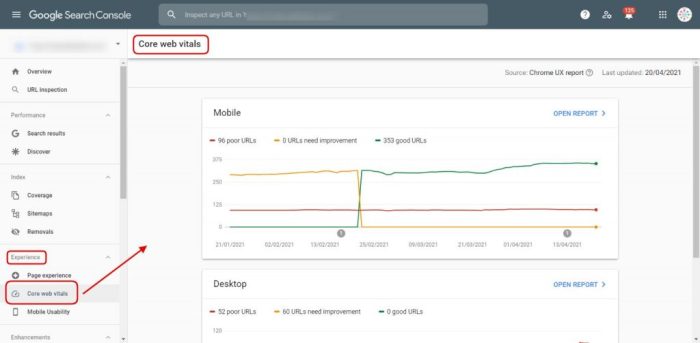
Core Web Vitals encompass essential metrics that determine the user experience on your website. Understanding how these metrics—Largest Contentful Paint, First Input Delay, and Cumulative Layout Shift—affect site performance is crucial for digital success. This guide will illuminate actionable strategies for optimizing these metrics, ultimately leading to improved engagement and satisfaction for visitors.

Understanding Core Web Vitals

Core Web Vitals optimization guide

Core Web Vitals are essential metrics that Google uses to assess the overall user experience of a website. These metrics focus on three key performance indicators: Largest Contentful Paint (LCP), First Input Delay (FID), and Cumulative Layout Shift (CLS). By understanding and optimizing these factors, website owners can significantly enhance user satisfaction and site performance.The three key metrics have distinct roles in determining how users experience a web page.

LCP measures loading performance, FID gauges interactivity, and CLS evaluates visual stability. Each of these metrics has a direct impact on user engagement and retention. A website that loads slowly, is unresponsive, or shifts unexpectedly can frustrate users, leading to higher bounce rates and diminished conversions.

Largest Contentful Paint (LCP)

Largest Contentful Paint is a crucial metric that measures the time it takes for the largest visible content element on the page to load. This typically includes images, videos, or any substantial text block. A fast LCP enhances the perception of speed and efficiency, which is vital for user satisfaction. For example, when an online store’s main product image takes too long to load, users may choose to leave the site out of frustration, impacting sales.

Optimizing LCP can involve strategies such as:

  • Optimizing images for size and format to ensure quicker loading times.
  • Leveraging browser caching to serve previously requested content faster.
  • Minifying CSS and JavaScript to eliminate unnecessary code that might slow down rendering.

First Input Delay (FID)

First Input Delay measures the time it takes for a user to interact with a page and see a response. This interaction could be clicking a button, tapping a link, or using any actionable element on a page. A low FID is critical as it indicates a smooth and responsive user experience.For instance, if a user clicks on a “Buy Now” button and the website takes several seconds to respond, the user may feel that the website is lagging or broken, leading to frustration.

Strategies to improve FID include:

  • Reducing JavaScript execution time to ensure quicker responses to user actions.
  • Deferring non-essential scripts so that they do not block the main thread.
  • Using web workers to handle background tasks without interfering with the user’s interaction.

Cumulative Layout Shift (CLS)

Cumulative Layout Shift is a metric that quantifies the visual stability of a webpage. It measures how much the page layout shifts during loading, which can lead to a disorienting experience for users. A high CLS score indicates that elements on the page are moving around, which can impact usability and readability.For example, if a user is about to click on a link and the page shifts, it could lead them to click on an unintended element, resulting in frustration or navigation errors.

To reduce CLS, consider the following methods:

  • Always include dimensions for images and video elements to reserve space before they load.
  • Avoid inserting new content above existing content unless it is in response to user interaction.
  • Use CSS aspects to maintain layout stability during dynamic content loading.

Tools for Measuring Core Web Vitals

To effectively measure and analyze Core Web Vitals, several tools are available that provide insights into how your site performs. Each tool can help identify areas needing improvement and track performance over time. Some of the most popular tools include:

  • Google PageSpeed Insights: Analyzes a webpage and provides specific suggestions for improving LCP, FID, and CLS.
  • Google Lighthouse: An open-source tool that audits site performance, accessibility, and , giving detailed reports on Core Web Vitals.
  • Web Vitals Chrome Extension: A simple tool that provides real-time feedback on Core Web Vitals as users interact with your site.

By utilizing these tools, webmasters can gain visibility into their website’s performance and make informed decisions to enhance user experience based on hard data.

Strategies for Optimization

To enhance your website’s performance, focusing on the three key metrics of Core Web Vitals is essential. Implementing effective strategies to improve Largest Contentful Paint (LCP), First Input Delay (FID), and Cumulative Layout Shift (CLS) can significantly enhance user experience and search rankings. Below are actionable steps and best practices designed to optimize these vital components.

Improving Largest Contentful Paint

Largest Contentful Paint measures the loading performance of a webpage, specifically how long it takes for the largest visible content element to render. Reducing LCP is crucial for providing a fast and efficient user experience. Here are some actionable steps:

  • Optimize Images: Compress and serve images in next-gen formats (like WebP) to reduce their size without sacrificing quality. Utilize responsive images to ensure they load correctly on various devices.
  • Implement Lazy Loading: Prioritize loading above-the-fold content first. Use lazy loading for images and videos further down the page, which helps decrease initial load times.
  • Minimize Server Response Times: Use a reliable hosting service and optimize your back-end processes. Consider using a Content Delivery Network (CDN) to reduce latency by serving content closer to users.
  • Reduce JavaScript and CSS Blocking: Defer loading non-critical JavaScript and CSS files to prioritize essential content rendering. This helps to minimize delays in displaying the main content.

Reducing First Input Delay

First Input Delay measures the time it takes for a user to interact with a page (such as clicking a button) and receiving a response from the browser. A low FID is vital for an optimal user experience. Here’s a list of best practices to reduce FID:

  • Minimize JavaScript Execution: Optimize and reduce the size of JavaScript files to allow for faster execution. Use code-splitting to load only the necessary scripts for each page.
  • Reduce Main Thread Work: Limit tasks that block the main thread, such as heavy computations or excessive DOM manipulations. Utilize web workers for offloading intensive tasks.
  • Preload Key Resources: Use ` ` for important scripts and fonts to ensure they are loaded earlier in the process, improving responsiveness when users interact.

Minimizing Cumulative Layout Shift

Cumulative Layout Shift measures the visual stability of a webpage, indicating how often content shifts during loading. Minimizing CLS is essential for maintaining a smooth and predictable user experience. The following techniques can help achieve this:

  • Specify Size for Images and Videos: Always define width and height attributes for images and videos to reserve space before they load, preventing shifts as content appears.
  • Include Dimension Attributes for Ads: If you display ads, ensure they have defined dimensions to prevent layout shifts when they load.
  • Avoid Inserting Content Above Existing Content: Maintain the order of content. If new content is added, place it below the existing content to minimize unexpected shifts.
  • Use CSS for Layout Shifts: Employ CSS properties like `min-height` for containers that may have dynamic content, ensuring consistent spacing during loads.

Related Concepts in Digital Marketing

In today’s digital landscape, understanding Core Web Vitals is essential not just for enhancing user experience, but also for effectively driving business goals. These metrics are intrinsically linked to broader digital marketing strategies, particularly in relation to search engine marketing (SEM), trends, and social media engagement. Recognizing these connections can help businesses optimize their online presence holistically.

Core Web Vitals and Search Engine Marketing

Core Web Vitals have a direct impact on search engine marketing efforts. These metrics – Largest Contentful Paint (LCP), First Input Delay (FID), and Cumulative Layout Shift (CLS) – measure crucial aspects of user experience. Google has made it clear that these factors play a vital role in search rankings. Advertisers must ensure that their landing pages not only convert well but also meet the performance standards set by these metrics.

“Websites that prioritize user experience are more likely to achieve higher ad quality scores, leading to better placement and lower costs per click.”

An efficient SEM strategy benefits greatly from improved Core Web Vitals. By lowering bounce rates and increasing user satisfaction, businesses can expect better return on investment (ROI) from their advertising spend.

Influence of Internet and Trends on Core Web Vitals Performance

Continuously evolving Internet and trends have a significant impact on how Core Web Vitals are perceived and implemented. For instance, with the rise of mobile-first indexing, sites that are not optimized for mobile devices will struggle with performance scores. As users have shifted towards a preference for faster, more responsive websites, search engines have adjusted their algorithms to reward sites that excel in Core Web Vitals.

The following points illustrate how these trends shape performance:

  • Increasing emphasis on mobile optimization, leading to higher expectations for load speeds.
  • Adoption of progressive web apps (PWAs) that inherently improve user experience.
  • Growth in video content, which requires careful management to avoid negatively impacting loading times and CLS.

Companies that stay ahead of these trends can ensure compliance with Core Web Vitals, thus maintaining favorable search engine rankings.

Impact of Social Media and Networking on User Engagement Metrics

Social media platforms play a critical role in driving traffic to websites, making it essential for businesses to optimize their Core Web Vitals. Effective social media campaigns can significantly affect user engagement metrics such as click-through rates and average session durations.When users find a website through social media links, their initial impressions are often influenced by the page’s loading speed and visual stability.

A seamless experience can lead to higher engagement and sharing rates.

“Effective social media strategies hinge on the website’s ability to provide an engaging and fast user experience.”

The following aspects showcase the interplay between social media and Core Web Vitals:

  • Social media traffic often leads to diverse visitor profiles, necessitating adaptable website performance.
  • High engagement on social media can enhance direct traffic to sites, improving overall performance metrics.
  • Negative feedback on social media regarding slow websites can harm brand reputation and reduce traffic.

By prioritizing Core Web Vitals, businesses can maximize user engagement from social media referrals, ultimately leading to better overall performance in their digital marketing initiatives.

Epilogue

Core Web Vitals optimization guide

In conclusion, mastering Core Web Vitals is more than just a technical requirement; it’s a gateway to enhancing user experience and boosting your site’s visibility in search rankings. By implementing the strategies Artikeld in this guide, you’ll be well-equipped to create a smoother, faster, and more engaging online environment for your audience.

FAQ Overview

What are Core Web Vitals?

Core Web Vitals are a set of three important metrics that measure the user experience on a website, specifically focusing on loading performance, interactivity, and visual stability.

How can I measure Core Web Vitals?

You can measure Core Web Vitals using tools like Google PageSpeed Insights, Lighthouse, or the Web Vitals Chrome extension, which provide insights into how your site performs regarding these metrics.

Why are Core Web Vitals important?

Core Web Vitals are important because they directly influence user experience, which can affect engagement, conversion rates, and your site’s rankings in search results.

Can I improve Core Web Vitals on my own?

Yes, many optimizations can be implemented independently, such as optimizing images, leveraging browser caching, and improving server response times.

How often should I check my Core Web Vitals?

It’s advisable to check your Core Web Vitals regularly, especially after making changes to your website or launching new content, to ensure ongoing performance optimization.