AI-powered web hosting platforms transform online presence

AI-powered web hosting platforms

AI-powered web hosting platforms are revolutionizing the way we think about web development. By integrating artificial intelligence into their services, these platforms not only streamline hosting solutions but also enhance overall performance and user experience. With powerful features that cater to modern business needs, they are becoming indispensable tools for digital entrepreneurs.

From optimizing website speed to enhancing security measures, AI-driven hosting stands out as a game-changer. Top providers in the market are continually innovating, offering tools that help businesses improve their online marketing strategies and social media engagement. In this exploration, we’ll uncover the impact of AI on web hosting and its significance in today’s digital landscape.

AI-Powered Web Hosting Platforms Overview

AI-powered web hosting platforms

AI-powered web hosting platforms represent a significant evolution in the digital landscape, integrating artificial intelligence technologies to enhance user experience and optimize web management. As businesses increasingly rely on online presence, these platforms provide tailored solutions, ensuring efficiency, scalability, and improved performance in web hosting services.The core concept behind AI-powered web hosting revolves around leveraging machine learning algorithms and data analytics to automate processes and make intelligent decisions.

This not only streamlines operations but also allows for predictive analytics, resource management, and enhanced security measures. The integration of AI enables web hosting providers to offer superior service quality, minimizing downtime and improving overall user satisfaction.

Key Features and Benefits of AI in Web Hosting Solutions

Understanding the features and advantages of AI in web hosting is essential for making informed decisions about which platform to choose. Here are the critical attributes and benefits:

  • Automation of Routine Tasks: AI systems automate server management, backup processes, and updates, reducing the manual workload for website administrators.
  • Predictive Analytics: By analyzing historical data, AI can forecast traffic patterns and resource requirements, helping businesses scale their operations effectively.
  • Enhanced Security: AI algorithms can detect vulnerabilities and potential threats in real time, enabling proactive measures against cyberattacks.
  • Resource Optimization: AI adjusts server resources based on demand, ensuring optimal performance while minimizing costs for users.
  • Personalized User Experience: AI can analyze user behavior to customize web content and recommendations, enhancing engagement and satisfaction.

These features not only improve operational efficiency but also empower businesses to focus on growth and innovation without being bogged down by technical challenges.

Top Providers of AI-Powered Web Hosting Services

Several leading companies in the market are setting benchmarks with their AI-powered hosting solutions. These providers integrate cutting-edge technology to enhance user experiences and streamline operations:

  • Bluehost: Known for its user-friendly interface, Bluehost offers AI-driven insights for optimizing website performance and traffic management.
  • SiteGround: This provider employs AI for proactive security measures and automated support, delivering fast and secure hosting solutions.
  • HostGator: HostGator utilizes AI to predict resource usage and automate scaling, making it a popular choice for growing businesses.
  • A2 Hosting: A2 Hosting incorporates AI technologies to optimize server configurations and enhance loading speeds, ensuring a smooth user experience.
  • Cloudways: This platform leverages AI for monitoring server performance and automating backups, allowing users to manage their hosting effortlessly.

The choice of an AI-powered web hosting provider can significantly impact the success of an online venture, making it crucial to consider their features, reliability, and support services.

Impact on Online Marketing Strategies

AI-powered web hosting platforms

AI-powered web hosting platforms are transforming the landscape of online marketing strategies. By integrating advanced AI technologies, these platforms enhance the capabilities of businesses to reach and engage their target audiences more effectively. This shift not only streamlines operations but also provides a competitive edge in a crowded digital marketplace.

Enhancement of Search Engine Marketing Efforts

AI-driven hosting significantly boosts search engine marketing (SEM) efforts. By leveraging machine learning algorithms, these platforms can analyze vast amounts of data quickly, allowing businesses to optimize their ad placements and strategies more effectively. AI can assess user behavior, identifying trends and preferences that inform targeting strategies. As a result, companies can achieve higher click-through rates and conversions.

  • AI algorithms assess and predict the performance of s, enabling businesses to prioritize those that yield the best results.

  • Dynamic ad placement adjustments based on real-time data ensure that marketing budgets are utilized efficiently.
  • Automated A/B testing allows for rapid experimentation with different ads, leading to continuous improvement in campaign effectiveness.

Role of AI in Optimizing Internet Security for Online Businesses

The integration of AI in web hosting platforms also plays a crucial role in enhancing internet security, which is vital for online marketing success. Cybersecurity threats can severely undermine a business’s reputation and financial health, so leveraging AI for this purpose is essential. AI systems can proactively detect and mitigate threats before they escalate, providing peace of mind for online marketers.

  • AI systems monitor traffic patterns to identify anomalies that may indicate potential cyber threats.

  • Automated backup solutions, driven by AI, ensure that critical data is safeguarded against potential cyber incidents.
  • AI-enhanced encryption methods increase the security of sensitive customer data, fostering trust and encouraging user engagement.

Improvement of Social Media Campaign Management and Analytics

AI significantly enhances the management and analytics of social media campaigns, an essential aspect of online marketing. By automating various tasks, AI allows marketers to focus on strategy and creativity rather than manual processes. Additionally, AI tools can analyze engagement metrics and audience interactions to refine campaigns continuously.

  • AI-driven analytics provide insights into the best times to post and the types of content that resonate with specific demographics.

  • Sentiment analysis tools powered by AI can gauge public perception of a brand, helping businesses adjust their messaging accordingly.
  • Campaign personalization through AI ensures that content is tailored to individual user preferences, significantly boosting engagement rates.

Enhancing Website Performance and User Experience

The integration of AI technologies in web hosting platforms has revolutionized how websites are built and experienced by users. By leveraging advanced algorithms and machine learning, these platforms not only optimize website performance but also elevate user interaction through personalized experiences. In this section, we will explore how AI influences web design, compare traditional hosting with AI-powered solutions, and examine the automation of web development tasks through AI tools.

Influence of AI on Web Design and User Interface Personalization

AI significantly enhances web design by enabling personalized user interfaces that adapt to individual visitor behaviors and preferences. This personalization ensures a more engaging user experience, which can lead to higher conversion rates. For instance, AI algorithms can analyze user interactions to suggest content, layout adjustments, and even color schemes that resonate better with specific audiences.By employing techniques such as A/B testing at scale, AI facilitates rapid iterations of design elements.

This means that businesses can continuously refine their websites based on real-time data, ensuring that the design remains relevant to user expectations. As a result, users enjoy a seamless experience tailored to their needs, which can keep them on the site longer and encourage repeat visits.

Comparison of Traditional Web Hosting and AI-Powered Solutions

When comparing traditional web hosting services with AI-powered solutions, several critical factors come into play, notably speed and reliability. Traditional hosting often relies on predefined resources and static configurations, which can lead to slower loading times, especially during traffic spikes. In contrast, AI-powered hosting dynamically allocates resources based on real-time demand, ensuring optimal speed and performance.AI solutions utilize predictive analytics to foresee traffic patterns and adjust server loads accordingly, delivering consistently fast response times.

Moreover, reliability is enhanced as AI can autonomously monitor systems for potential failures and deploy fixes without human intervention. This proactive approach minimizes downtime and keeps websites running smoothly, which is paramount for businesses that rely on their online presence.

Automation of Web Development Tasks Through AI Tools

AI tools are increasingly automating many aspects of web development, which significantly boosts efficiency and quality. Tasks such as code generation, testing, and bug detection can now be handled by AI systems. This allows developers to focus on more creative aspects of the project while ensuring that routine tasks are completed swiftly and accurately.For example, platforms like Wix and Squarespace utilize AI-driven design assistants that help users create websites by suggesting layouts and elements based on their content and industry.

These tools streamline the development process, reducing the time it takes to launch a website. Additionally, AI can analyze existing websites to provide insights on performance improvements, making it easier for developers to optimize their projects.AI’s capability to learn from user interactions and historical data also means that it can make informed predictions about the types of content that will engage visitors.

This not only enhances the output quality but also ensures that websites are continually evolving to meet the needs of their audiences.

Concluding Remarks

In summary, AI-powered web hosting platforms are not just a trend; they represent the future of web development. By harnessing the capabilities of artificial intelligence, these platforms offer unmatched benefits that enhance website performance, security, and marketing strategies. As technology continues to evolve, embracing AI in web hosting will be key for businesses striving to maintain a competitive edge online.

Expert Answers

What is the main advantage of AI in web hosting?

The main advantage of AI in web hosting is its ability to automate tasks, optimize performance, and enhance security measures, leading to a more efficient and reliable hosting experience.

How does AI improve website security?

AI improves website security by identifying potential threats and vulnerabilities in real-time, enabling proactive measures to safeguard data and prevent cyberattacks.

Can AI-powered hosting improve ?

Yes, AI-powered hosting can assist in enhancing by optimizing site speed, improving user experience, and providing data insights for better content strategies.

Are AI-powered hosting solutions suitable for all businesses?

AI-powered hosting solutions are scalable and can benefit businesses of all sizes, from small startups to large enterprises, looking to enhance their online presence.

What should I consider when choosing an AI hosting provider?

When choosing an AI hosting provider, consider factors such as performance features, customer support, pricing, and the specific AI tools they offer for optimization and security.
DevOps in web development workflow optimizes processes

DevOps in web development workflow

DevOps in web development workflow represents a transformative approach that bridges the gap between development and operations teams, fostering a culture of collaboration and efficiency. By integrating practices like continuous integration and continuous deployment, teams can streamline their workflows, ensure rapid delivery, and enhance overall project quality.

This integration not only reduces the friction often associated with traditional methodologies but also empowers teams to adopt innovative solutions that adapt to the fast-paced nature of web technologies. Understanding how DevOps enhances these workflows is critical for anyone looking to thrive in today’s digital landscape.

DevOps in Web Development Workflow

DevOps in web development workflow

The integration of DevOps practices into web development workflows has revolutionized how teams collaborate and deliver projects. By bridging the gap between development and operations, DevOps enhances efficiency, fosters communication, and accelerates the deployment process. This transformation is not merely about tools and processes; it fundamentally changes the culture and mindset of teams, emphasizing shared responsibility and continuous improvement.The role of DevOps in web development is pivotal for enhancing collaboration between development and operations teams.

Traditionally, these teams operated in silos, leading to miscommunication and delays. DevOps cultivates a culture of collaboration through shared goals, joint responsibilities, and integrated workflows. This synergy is achieved through practices such as automated testing, shared code repositories, and real-time monitoring, which not only streamline processes but also promote a sense of unity among team members.

Continuous Integration and Continuous Deployment Processes

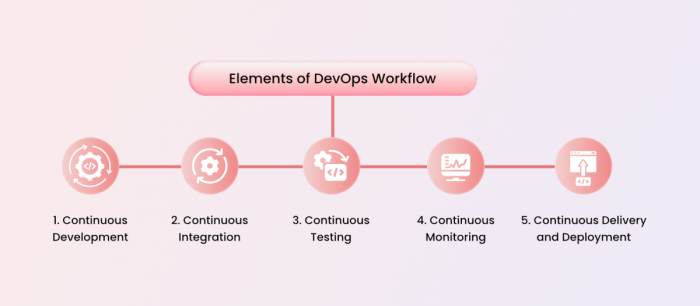
Continuous Integration (CI) and Continuous Deployment (CD) are essential practices within the DevOps framework that significantly improve the web development workflow. CI involves automatically testing and merging code changes into a shared repository multiple times a day. This process allows teams to identify and address issues early, reducing the risk of integration problems later in the development cycle. In contrast, Continuous Deployment automates the release of code changes to production as soon as they pass the necessary tests.

This rapid release cycle enables teams to deliver new features, enhancements, and bug fixes to users quickly and efficiently. Implementing CI/CD practices offers several key benefits:

  • Faster feedback loops, allowing for quick responses to changes or issues.
  • Increased deployment frequency, leading to more consistent project updates.
  • Enhanced software quality through automated testing and validation processes.

These practices not only streamline the development process but also ensure that teams maintain high-quality standards while fostering innovation.

Comparison of Traditional and DevOps-Oriented Workflows

Shifting from traditional web development workflows to a DevOps-oriented approach presents both benefits and challenges. Traditional workflows often rely on a linear process where development, testing, and deployment occur sequentially. This can lead to bottlenecks and delayed time-to-market. In contrast, DevOps promotes a more iterative and collaborative approach, where development and operations work together continuously throughout the project lifecycle.Key differences between traditional and DevOps-oriented workflows include:

Aspect Traditional Workflow DevOps Workflow
Collaboration Silos between teams Cross-functional teams working together
Release Cycle Periodic and often lengthy Continuous and incremental
Feedback Delayed feedback from testing Real-time feedback from automated testing
Quality Assurance Separate QA phase Integrated QA throughout development
Risk Management Higher risks at release Lower risks through continuous monitoring

The shift towards DevOps-oriented workflows can lead to significant improvements in efficiency, quality, and responsiveness. However, organizations may face challenges such as resistance to cultural change, the need for new skills, and the complexity of implementing automated tools.

“Embracing DevOps requires a cultural shift that prioritizes collaboration, adaptation, and continuous learning among all team members.”

Related Concepts in Web Development

DevOps in web development workflow

In the rapidly evolving landscape of web development, several concepts intertwine with DevOps methodologies to enhance efficiency and effectiveness. Understanding these related concepts is crucial for integrating diverse aspects of web projects, from marketing strategies to security practices and the influence of social media.

Integration of Search Engine Marketing within DevOps

The integration of Search Engine Marketing (SEM) within the DevOps framework is vital for driving visibility and traffic to web applications. By aligning marketing efforts with development processes, teams can ensure that websites are optimized for search engines from the ground up. This includes the implementation of relevant s, optimizing page load speeds, and ensuring that site architecture is conducive to crawling and indexing.

  • Effective collaboration between developers and marketing teams can lead to improved outcomes.

  • Regular updates to website content can be automated using Continuous Integration (CI) tools, ensuring that content remains fresh and relevant.
  • Analytics and tracking tools can be integrated into the DevOps pipeline to monitor performance in real-time, allowing for quick adjustments based on user behavior.
  • Utilizing A/B testing methodologies within DevOps allows teams to refine advertisements and landing pages based on user engagement data.

Significance of Internet and Security Practices in DevOps

Security practices in the context of DevOps are paramount for safeguarding sensitive data and maintaining user trust. The adoption of DevSecOps introduces security at every stage of the development lifecycle, promoting a proactive rather than reactive approach to security management.

  • Regular security audits and vulnerability assessments can be seamlessly integrated into the CI/CD pipeline.
  • Automated security testing tools help identify and remediate vulnerabilities early in the development process.
  • Implementing security protocols such as encryption and secure access controls minimizes risks associated with data breaches.
  • Promoting a culture of security awareness among developers through training can significantly reduce human error-related vulnerabilities.

Impact of Social Media and Social Networking on DevOps Projects

Social media and networking platforms play a crucial role in shaping the outcomes of web development projects managed under a DevOps approach. The feedback loop created by social interactions can provide valuable insights into user preferences and behaviors, which can be leveraged to refine products continually.

  • Real-time feedback from social media can inform rapid iterations and updates, ensuring that user needs are met swiftly.
  • Social media engagement can drive traffic to web applications, highlighting the importance of integrating marketing strategies with development efforts.
  • Developers can use social listening tools to monitor brand mentions and sentiment, allowing for quick responses to issues impacting user experience.
  • Collaborative tools and platforms foster community engagement, enabling developers to share ideas and receive input from users and stakeholders.

Enhancements through Digital Marketing and Design

In today’s competitive online landscape, the integration of digital marketing and web design is essential for success. By leveraging DevOps practices, organizations can enhance their web development workflow to incorporate more efficient marketing strategies and design innovations. This synergy not only improves user engagement but also ensures that the marketing and design processes are optimized for performance and scalability.

Incorporating Video Marketing and Streaming

Video marketing has become a powerful tool in digital marketing strategies due to its ability to engage users effectively. To incorporate video marketing and streaming into web development projects while applying DevOps principles, consider the following methods:

Continuous Integration of Video Content

Automate the testing and deployment of video assets through CI/CD pipelines. This ensures that any new video content or updates are swiftly integrated into the website without downtime.

Responsive Video Hosting Solutions

Choose hosting services that offer adaptive streaming capabilities to provide optimal viewing experiences across devices. This supports both desktop and mobile users.

Analytics Tracking

Implement video analytics tools that track user engagement, view rates, and drop-off points. Use this data to refine video content and improve future marketing efforts.

Version Control for Video Assets

Utilize version control systems for video files, enabling teams to manage changes efficiently and collaborate on content updates seamlessly.

Responsive Web Hosting Strategy

A robust web hosting strategy is crucial for supporting both web development and digital marketing efforts. A responsive strategy can provide consistent performance and scalability. Here’s how to design one:

Cloud-Based Hosting Solutions

Employ cloud platforms that can scale resources according to traffic demands. This flexibility is vital during marketing campaigns that generate spikes in user traffic.

CDN Integration

Utilize Content Delivery Networks (CDNs) to ensure that content, including video and images, loads quickly across different geographical locations. This improves user experience and performance.

Load Balancing

Implement load balancers to distribute incoming traffic efficiently across multiple servers. This reduces downtime and enhances site reliability during high traffic periods.

DevOps Monitoring Tools

Use monitoring tools to keep an eye on server performance and resource utilization. This proactive approach helps identify potential issues before they affect the user experience.

Site Promotion Techniques in a DevOps Environment

Combining site promotion techniques with web design efforts within a DevOps framework can significantly enhance visibility and user engagement. Here’s a detailed plan to do so:

Optimization in Development

Integrate best practices early in the web development process. This includes optimizing meta tags, using structured data, and ensuring mobile-friendliness.

A/B Testing for Design Changes

Use A/B testing to assess the impact of design changes on user engagement and conversion rates. This data-driven approach can lead to informed decisions in design iterations.

Social Media Integration

Ensure that social media sharing features are seamlessly integrated into the website design. This encourages users to share content, boosting site promotion.

Email Marketing Alignment

Coordinate email marketing campaigns with web design updates. Ensure that landing pages correspond to email content for a cohesive user journey.

Feedback Mechanisms

Implement feedback tools, such as surveys or comment sections, to gather user insights. This information can guide ongoing design and promotional strategies.By adopting these methods, organizations can effectively merge digital marketing and design within their web development workflows, leveraging DevOps principles to achieve greater efficiency and success.

Final Wrap-Up

In conclusion, embracing DevOps in the web development workflow not only improves collaboration but also accelerates the delivery of high-quality products. As businesses continue to evolve in a competitive marketplace, leveraging these practices will be essential for success, enabling teams to respond swiftly to changes and maintain a strong foothold in the industry.

Popular Questions

What is DevOps?

DevOps is a set of practices that combines software development (Dev) and IT operations (Ops) to shorten the development life cycle and deliver high-quality software quickly.

How does DevOps enhance collaboration?

DevOps fosters a collaborative environment by breaking down silos between development and operations teams, promoting shared goals, and utilizing automated tools for better communication.

What are CI/CD processes?

Continuous Integration (CI) is the practice of automatically testing and merging code changes, while Continuous Deployment (CD) is the automated release of those changes to production, ensuring faster delivery.

What challenges come with implementing DevOps?

Challenges may include cultural resistance within teams, the need for new tools and technologies, and the requirement for continuous training and adaptation to evolving practices.

How does DevOps impact digital marketing strategies?

DevOps can enhance digital marketing by enabling faster iterations of website features and campaigns, ensuring they are aligned with user feedback and market trends more efficiently.

Frontend vs backend development Understanding the Difference

Frontend vs backend development

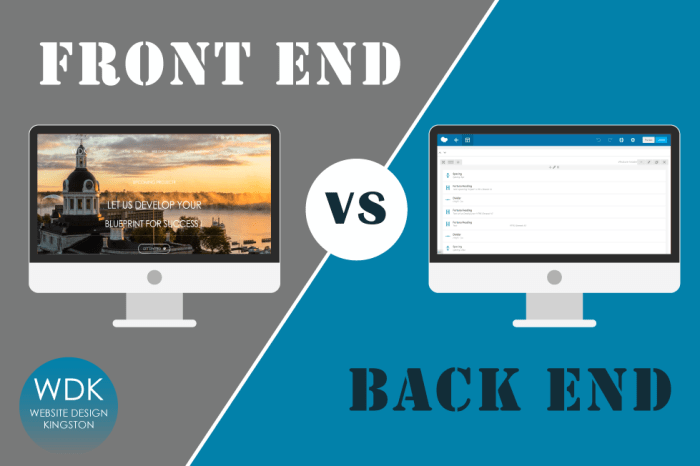
Frontend vs backend development is like the dynamic duo of web creation, each playing a crucial role in shaping user experiences and functionality. While frontend development focuses on the visual aspects and interactivity of websites that users interact with directly, backend development handles the behind-the-scenes operations that make everything tick.

Frontend developers are responsible for crafting the layout, design, and user interfaces using technologies like HTML, CSS, and JavaScript, often employing frameworks such as React or Vue.js. In contrast, backend developers manage server-side logic, databases, and application integration using programming languages like Python, Ruby, or PHP. Together, they collaborate to ensure seamless interactions and efficient data processing, ultimately delivering a comprehensive web experience.

Frontend Development

Frontend development is a crucial aspect of web development focused on creating the visual and interactive elements of a website or application. It encompasses everything that users see and interact with, making it essential for delivering a seamless user experience. The role of frontend developers is pivotal in translating design into a functional product that meets the needs of users while ensuring accessibility and performance.The primary responsibilities of frontend developers include translating UI/UX designs into code, ensuring responsive design across various devices, and optimizing applications for speed and efficiency.

They work closely with designers to create visually appealing interfaces, while also collaborating with backend developers to integrate APIs and other services. Keeping up with user needs and emerging trends is vital in this ever-evolving field.

Essential Technologies in Frontend Development

To effectively bring designs to life, frontend developers utilize a variety of technologies. The cornerstone of any frontend development is HTML, CSS, and JavaScript. Each of these technologies plays a unique role in building robust user interfaces.

  • HTML (HyperText Markup Language): The standard markup language for documents designed to be displayed in a web browser. It provides the basic structure of the site, which is enhanced and modified by other technologies.
  • CSS (Cascading Style Sheets): Used to control the layout and presentation of web pages, CSS allows developers to apply styles to HTML elements, enabling customization of color, font, spacing, and positioning.
  • JavaScript: A programming language that enables interactive web pages. It allows developers to implement complex features such as animated graphics, form validations, and dynamic content updates.

Popular Frontend Frameworks and Libraries

Frontend frameworks and libraries significantly enhance the development process by providing pre-written code and tools that streamline common tasks. Some of the most popular ones include:

  • React: A JavaScript library developed by Facebook for building user interfaces, particularly single-page applications, by using a component-based architecture, promoting maintainability and code reusability.
  • Angular: A platform and framework for building client-side applications using HTML and TypeScript, maintained by Google. It provides a complete solution for developing rich, interactive web applications.
  • Vue.js: A progressive JavaScript framework for building user interfaces, known for its flexibility and ease of integration with other projects, making it ideal for both small and large applications.

User Experience Design Compared to Backend Functionality

User experience (UX) design in frontend development focuses on optimizing the interaction between users and applications. This involves creating intuitive interfaces, ensuring accessibility, and enhancing the overall aesthetic appeal. A well-designed frontend can significantly impact user satisfaction and retention.In contrast, backend functionality involves server-side operations, database management, and application logic, which are not directly visible to users but are critical for delivering the desired frontend experience.

Backend systems handle data processing, storage, and security, ensuring that the frontend has the necessary resources to function efficiently.The collaboration between frontend and backend is essential; while the frontend communicates with users, the backend provides the data and logic that power the interactive features. A seamless integration of both realms results in a balanced application that is both visually appealing and functionally robust.

The user experience is the sum of all interactions that a user has with a product or service, making it a vital aspect of frontend development.

Backend Development

Frontend vs backend development

Backend development is a crucial component of web applications, handling the server-side logic and database interactions that bring functionality to the user-facing front end. While frontend developers focus on what users see and interact with, backend developers ensure that all data processes and application logic run smoothly behind the scenes. Their expertise not only allows websites to function properly but also enhances security, performance, and user experience.

Role of Backend Developers in Web Applications

Backend developers play a vital role in creating the server, database, and application programming interface (API) that connects the frontend with the backend systems. They are responsible for writing server-side code, which involves developing the logic that processes user requests, managing data storage, and ensuring that the application performs efficiently. This includes implementing business rules, creating data models, and integrating third-party services.

Backend developers work closely with frontend developers to create seamless user experiences by ensuring that the two layers communicate effectively. They also collaborate with system administrators to maintain server health and security, thereby safeguarding user data and enhancing application reliability.

Programming Languages Commonly Used in Backend Development

Various programming languages are utilized in backend development, each offering unique features and benefits that cater to different project needs. Here’s a list of some of the most commonly used languages in the backend:

  • Java: Widely used for enterprise-level applications due to its scalability and robustness.
  • Python: Valued for its simplicity and readability, making it a favorite among developers for rapid development.
  • JavaScript (Node.js): Allows developers to use JavaScript on the server-side, enabling a full-stack JavaScript development approach.
  • Ruby: Known for its elegant syntax, it’s popular in web development frameworks like Ruby on Rails.
  • C#: A language developed by Microsoft, it’s commonly used for building applications on the .NET framework.
  • PHP: A server-side scripting language that is particularly strong in web development.
  • Go: Known for its performance efficiency and concurrency features, making it suitable for high-performance applications.

Integration of Databases with Backend Systems

Databases are integral to backend development, serving as the backbone for data storage and management. They allow applications to retrieve, store, and manipulate data in a structured way. Backend developers utilize various database management systems (DBMS) to interact with databases, ensuring that data is consistently available and secure.The integration typically involves establishing connections between the backend application and the database using various communication protocols.

Backend developers write queries using languages like SQL for relational databases or utilize NoSQL solutions for unstructured data. This integration supports dynamic content generation, user authentication, and other functionalities that enhance the overall application experience.

“Databases are the heart of backend development, enabling the storage and retrieval of information that fuels web applications.”

Importance of Server Management in Backend Development

Server management is critical in backend development as it directly impacts application performance, security, and availability. Backend developers must ensure that the server environment is properly configured and maintained to handle user requests efficiently and securely. Effective server management involves tasks such as monitoring server health, optimizing performance, implementing security protocols, and scaling resources to accommodate traffic fluctuations. Additionally, developers often use cloud services and containers to enhance deployment capabilities, allowing for greater flexibility and scalability.Maintaining a well-managed server environment helps to prevent downtime, ensuring that users have a smooth and uninterrupted experience when interacting with web applications.

“Good server management practices safeguard not just data integrity but also enhance user satisfaction by ensuring consistent application performance.”

Related Digital Marketing Aspects

Frontend vs backend development

In the digital landscape, the interplay between web design, backend functionality, and marketing strategies forms the foundation of successful online presence. A seamless integration of these elements is essential for effective site promotion and user engagement. This discussion delves into the crucial relationships and strategies that enhance visibility, security, and engagement in the digital realm.

Relationship Between Web Design and Search Engine Marketing

Web design plays a pivotal role in search engine marketing (SEM), as it directly influences user experience, site performance, and ultimately, search engine rankings. A well-designed website is not only visually appealing but also optimized for usability and functionality. Key factors include:

  • Responsive Design: A mobile-friendly design improves user accessibility and search rankings, as search engines prioritize sites that offer a seamless experience across devices.
  • Loading Speed: Fast-loading websites reduce bounce rates and enhance user satisfaction, which are critical metrics for search engines.
  • Best Practices: Proper use of headings, alt texts, and meta tags in web design can significantly boost search engine visibility.

Effective web design is integral to achieving high search engine rankings and optimizing user experience.

Strategies for Using Social Media to Enhance Site Promotion

Social media is an invaluable tool for promoting websites and engaging with audiences. By leveraging various platforms, businesses can drive traffic to their sites while fostering a community around their brand. Important strategies include:

  • Content Sharing: Regularly sharing quality content from the website on social media channels to attract followers and drive traffic.
  • Engagement: Actively interacting with followers through comments, messages, and polls to build trust and loyalty.
  • Advertising: Utilizing targeted ads to reach specific demographics, increasing visibility and directing traffic to the website.

Social media acts as a bridge between brands and consumers, facilitating direct communication and promoting engagement.

Importance of Internet Security in Web Hosting

Internet security is a crucial aspect of web hosting that protects both the website and its users from potential threats. A secure hosting environment not only safeguards sensitive data but also enhances credibility and trustworthiness.Key components include:

  • SSL Certificates: Implementing SSL (Secure Socket Layer) ensures that data transmitted between the user and the website is encrypted and secure.
  • Regular Backups: Performing regular backups of website data prevents loss in case of cyberattacks or server failures.
  • Firewall Protection: Utilizing firewalls to monitor and control incoming and outgoing network traffic helps prevent unauthorized access.

Ensuring a secure web hosting environment is essential for protecting user data and maintaining website integrity.

Role of Video Marketing in Front-End User Engagement

Video marketing has emerged as a powerful tool for enhancing user engagement on the front end. It captures attention more effectively than static content and can convey complex messages concisely.Benefits of video marketing include:

  • Increased Engagement: Videos attract more views and interactions compared to text or images, keeping users on the site longer.
  • Enhanced Storytelling: Videos can tell a brand’s story in a compelling way, fostering emotional connections with the audience.
  • Higher Conversion Rates: Incorporating videos on product pages can lead to increased sales, as consumers are more likely to purchase after watching a video demonstration.

Video marketing significantly boosts user engagement, making it an essential tactic in modern digital marketing strategies.

Closing Notes

In summary, understanding the distinction between frontend and backend development is essential for anyone looking to navigate the tech landscape. Each side complements the other, creating a balanced and effective web application. By knowing their unique responsibilities and technologies, you can appreciate the complexity of web development and perhaps even find your niche in this exciting field.

FAQ Compilation

What is the main difference between frontend and backend development?

The main difference lies in their focus; frontend development deals with the user interface and experience, while backend development manages server-side functions and database interactions.

Can a developer specialize in both frontend and backend?

Yes, developers who specialize in both are known as full-stack developers, capable of handling both frontend and backend tasks.

What tools do frontend developers commonly use?

Frontend developers often use tools like code editors (e.g., VSCode), design software (e.g., Adobe XD), and version control systems (e.g., Git).

Why is backend development important?

Backend development is crucial because it ensures data processing, storage, and security, allowing applications to function properly and efficiently.

How do frontend and backend developers collaborate?

They collaborate through clear communication, often using APIs to connect the frontend interface with backend data and functionality.